
Reviewed · SHAMAKHI & LAHIJ COPPERSMITH VILLAGES
Lahij – village of masters
Copper, steel, and centuries in one village ride. Lahij is a crafts village outside Baku where hereditary blacksmiths and copper and leather artisans work in old-style shops, and you get real context for what you are seeing. It is not just a pretty stop, it is a living place built around skills that have been handed down for generations.
I especially love how the day blends medieval street life with workshop moments, so you are not staring at a fence and calling it culture. I also like the specific Lahij details, like the 1,500-year water supply and sewerage story, plus the cobbled lanes and squares that make the village feel properly old. One thing to consider: the road approach can feel rough and even intimidating, especially with rocky mountains, so it helps to be comfortable riding in a car for a big chunk of the day, even when guides like Anar and Habib keep things lively.
In This Review
- Key things to know before you go to Lahij
- Lahij masters village: where copper and cold steel are the main attraction
- The ride from Baku: a long day with a rocky approach
- Lahic Guest House stop: where you start reading the village
- Watching the masters: what you will actually see in Lahij
- Timing and group size: why the day stays manageable
- Guides make it: the difference between facts and a story
- Price and value from Baku: $400 per group up to 3
- Who this Lahij trip fits best, and who might skip it
- Should you book the Lahij masters village tour from Baku?
- FAQ
- How long is the Lahij village tour?
- How much does the tour cost?
- Does the tour include pickup?
- Is there an entry fee for Lahij?
- How long do you spend at the Lahic Guest House stop?
- Do I get a mobile ticket?
- What group size should I expect?
- When do I get confirmation after booking?
- Can I participate if I am not an expert traveler?
- What is the cancellation policy?
Key things to know before you go to Lahij
- See masters work up close in ongoing craft workshops, not just staged demonstrations
- Free admission at the main village stop so your money goes to the experience, not entry fees
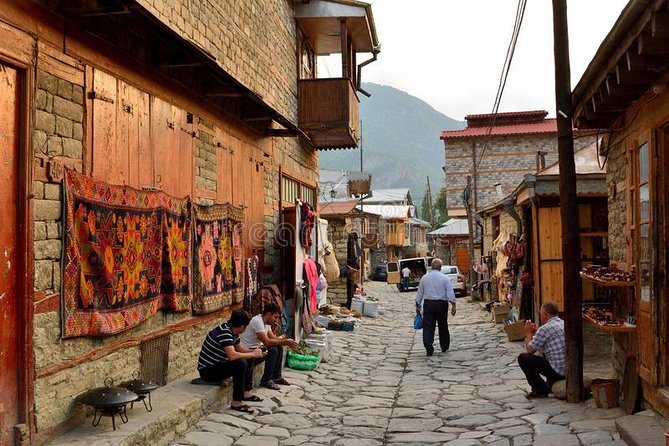
- Cobbled streets and old squares give you that medieval feel right away
- A surprisingly specific past including the village’s early quarters and the long-running water and sewerage system
- Small group size, max 6 travelers, with guides who keep the day moving
- Pickup is available, which matters when the day is already long enough
Shamakhi and Lahij village trips to compare:
- Shamakhi And Gabala Tour (All inclusive)
★ 5.0 · 815 reviews - From Baku: Gabala and Shamakhi Tour (Free Baku City Tour)
★ 4.8 · 695 reviews - Gabala + Shamakhi tour (by Old City Tours)
★ 4.5 · 198 reviews
Lahij masters village: where copper and cold steel are the main attraction
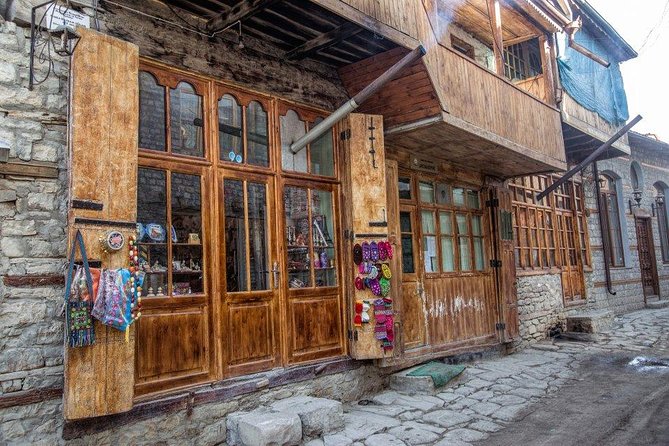
Lahij is famous across the Caucasus and beyond for craft work, especially anything involving metal, engraving, and the tools of daily life. You are in a medieval town feel, with cobbled streets and small squares that shape how the village works as a place, not just a photo set. It is one of those destinations where the details add up fast: street layout, workshop rhythm, and the look of finished goods all point to one thing, skills that are meant to be used.
What makes Lahij special is that the crafts are not vague. You can expect to hear about and see potters and wood carvers making items, plus copper and leather crafts. The village is also known for manufactured cold steel and copper utensils decorated with engraved ornament. That matters because you are not only seeing souvenirs, you are seeing the craft logic behind them.
I also like that Lahij’s story has concrete claims, not just general “it’s old” vibes. The village’s earliest quarter is said to have been laid in the 3rd to 4th centuries, and the town has a water supply and sewerage system dating back about 1,500 years. Even if you take the exact details as part legend and part local pride, it is still a great way to frame the day: this village built practical infrastructure early, and then kept building skills on top of it.
The ride from Baku: a long day with a rocky approach
This is a day trip from Baku that takes about 10 to 12 hours. That means you should plan it as a full outing, not a quick taste. The tour includes pickup, which helps a lot, because you start with fewer moving parts and more time to focus on the village itself.
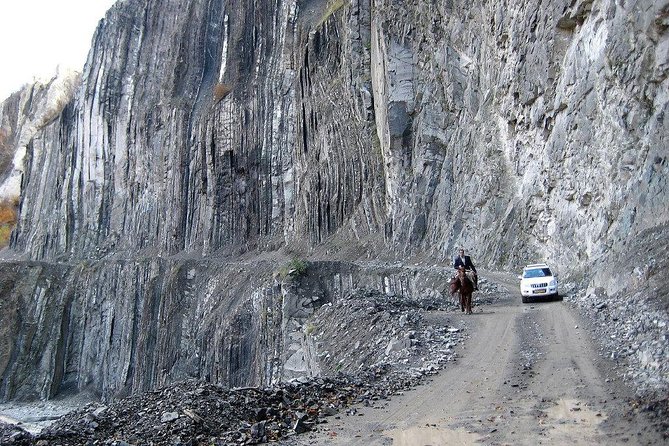
One of the most repeated points in the experience is the road approach. The trip to Lahij can feel dangerous or intimidating, particularly on roads under rocky mountains. If you have concerns about driving conditions, I recommend you mentally treat this as the “the road is part of the story” portion of the day. Bring your best patience. If you get motion sick, consider taking your usual travel measures, because this is not a short, smooth commute.
The good news is that guides help keep the time from dragging. In the accounts shared, guides like Anar were noted for a sense of humor and for keeping people engaged until the end. Habib was also praised for knowing his job. That kind of guidance helps you turn the ride into setup, so you arrive ready to look closely instead of just surviving the drive.
Lahic Guest House stop: where you start reading the village
Your main village time begins at Lahic Guest House, and the stop itself is about 4 hours. Admission is listed as free for this portion, which is a nice bonus when you are paying for the tour overall. Think of this stop as your launch pad. You get orientation, you learn the village context, and you spend enough time to notice how the lanes connect to the craft areas.
This is where the village stops being abstract. Instead of wondering where to look, you get an explanation of what Lahij is known for, such as the workshops and the way hereditary craftsmen continue making household items. You can also absorb how the medieval street and square layout supports the daily flow of a craft town.
There is also a standout talking point here: the village’s water supply and sewerage system that is described as being at least 1,500 years old. The detail that locals do not know where the sewerage starts or ends is the kind of factoid that sticks, because it tells you the infrastructure has lived its own long life, even as modern people have lost some of the original map. Whether you treat it as technical history or local storytelling, it gives you a lens that makes walking the village more interesting.
One small practical note: you will likely do some walking on cobbles and around old streets. Go in with comfortable shoes. You do not need hiking boots, but you do want something that handles stone paths without complaining.
Baku tours and day trips to compare:
- Baku: Gobustan, Mud Volcano, Fire Mount, Temple Lunch Entry★ 4.9 · 3,246 reviews
- Baku: Guba, Shahdag, Laza & Lunch w/ Free City & Night Tour★ 4.8 · 1,455 reviews
- BEST Gobustan, Volcanoes & Absheron Fire Tour (Group or Private)★ 5.0 · 1,254 reviews
- Gobustan and Absheron tour (All inclusive)★ 5.0 · 1,014 reviews
Watching the masters: what you will actually see in Lahij
This is not a show room tour. The core idea is that you can see ongoing craft work and the people behind it. Lahij is associated with skills like pot making, wood carving, copper work, leather embossing, and metalwork. The village is especially linked to cold steel production and copper utensils with engraved ornament.
The craft you are most likely to notice first is metalwork. Lahij still has workshops where hereditary blacksmiths make household items in front of visitors. That is a big deal for how the day feels. You are not only looking at finished goods, you are seeing the process attitude, the steady repetition, and the pride in making objects meant for real use.
Then there are the surrounding trades that support the metalwork world. Wood and pottery matter here, because tools, handles, and everyday objects have to connect. Leather work also fits the craft ecosystem. Even if you do not buy anything, you will probably understand why the village gained fame: multiple trades interact, and buyers come looking for specific products that only a place like this can produce.
Now, a balanced take. Lahij’s reputation can make people expect a nonstop workshop spectacle every minute. In reality, a place like this also includes quiet street moments and time spent moving between points of interest. That is why the guide matters. If your guide can explain what you are looking at and why the details matter, you get more from the slower stretches.
Timing and group size: why the day stays manageable
The tour is priced for groups up to 3, but the overall group limit is 6 travelers. That small cap is useful because Lahij is a village you experience with your senses. Smaller groups help you ask questions, move at a comfortable pace, and avoid getting swallowed by crowds on narrow streets.
Duration is listed as 10 to 12 hours, with the main village stop around 4 hours. The remaining time is mainly travel and setup, which is why you should plan your day in full. I find it helps to avoid stacking another plan right after you return to Baku. You will want a calm evening, even if the day feels exciting.
You also get a mobile ticket. That is a small thing, but on travel days, little friction removal adds up. Less time spent figuring out paperwork means more time for the fun parts.
If you like structure, this tour style works well. You have a clear start, a main Lahij window, and a guided explanation to connect the dots. If you prefer total freedom, you might feel slightly guided. The tradeoff is that you get the context for Lahij’s craft reputation instead of wandering and guessing.
Guides make it: the difference between facts and a story
In a crafts village, facts are only half the job. The other half is storytelling, so you understand what you are seeing and what questions to ask. The guides named in the experiences shared offer a clue about what to expect. Anar was praised for humor and for making sure people were not bored until the end. Habib was praised for knowing his job.
A good guide also helps you interpret the craft culture without turning it into a lecture. You want to hear what makes certain copper and metalwork special, how engraving fits the design tradition, and why hereditary blacksmiths keep producing household items rather than just chasing tourist demand. When the guide does this well, you walk away with a sense of why Lahij has lasted.
You will also appreciate the human side. In a day trip that includes a road approach described as risky or rough, having someone who keeps the mood steady matters. Humor is not just nice. It is a practical tool that keeps you focused instead of tense.
Price and value from Baku: $400 per group up to 3
The price is listed as $400.00 per group (up to 3). That is not cheap for a single village day trip, so you should judge it by value rather than sticker shock.
Here is what you get for that money based on the tour details: pickup is available, you have a full 10 to 12 hour experience, you receive a mobile ticket, and the key Lahij stop includes free admission. The group size is kept small, with a maximum of 6 travelers, and the tour provides all the information about ancient Lahij during the trip.
So the value question becomes simple: are you the kind of traveler who benefits from a guide and a planned route? If yes, then $400 for up to 3 people can work out well, because you are effectively splitting cost across multiple seats while still getting the guided context that makes a crafts village worth your attention.
If you travel solo, you might feel the price more. If you want to “DIY” Lahij with no guide, you could search for independent options. But based on what makes Lahij click, I think most visitors do best with a guide who can connect the craft items, the workshop culture, and the village’s historical details into one clear story.
Who this Lahij trip fits best, and who might skip it
This tour is best for you if you enjoy old places, craft traditions, and seeing skills at work. Lahij’s appeal is craft-specific: cold steel, copper utensils with engraved ornament, leather embossing, plus workshops tied to hereditary craftsmanship. If you like markets, workshops, or learning how objects are made, you will likely have a great time.
It also fits well if you want a guided day trip without committing to a multi-day journey. The time window is clearly defined and the group size stays limited. You also get pickup, which makes the day smoother from Baku.
You might think twice if you dislike driving on rough mountain roads. One account described the way to the village as dangerous, and that is a real consideration for anyone who is nervous on routes like this. You might also consider skipping if you hate walking on cobblestones and small old streets, because that is part of the experience.
If you are traveling with older folks or anyone with mobility concerns, the listing says most travelers can participate, but it does not provide detailed accessibility info. In that case, it is smart to ask the operator what walking looks like in practice.
Should you book the Lahij masters village tour from Baku?
Book it if you want one well-paced day that mixes ancient village atmosphere with real workshop craft. I like that you are not only visiting an old town, you are getting guided context on why Lahij became known for blacksmithing, copper and leather work, and engraved metal and utensils. With a guide like Anar or Habib, the day has enough personality to stay fun even during the long ride.
Skip it if you are highly sensitive to rough driving conditions or you cannot handle a long day away from Baku. Also skip if you want total freedom and zero guiding. Lahij works best when someone helps you see what matters, and this tour leans into that.
If you are on the fence, my practical suggestion is this: check your comfort with travel time and road conditions first. If you are okay with that, Lahij is exactly the kind of place where the details make the whole day feel worth it.
FAQ
How long is the Lahij village tour?
The tour lasts approximately 10 to 12 hours.
How much does the tour cost?
The price is $400.00 per group, up to 3 people.
Does the tour include pickup?
Yes, pickup is offered.
Is there an entry fee for Lahij?
Admission is free for the main stop.
How long do you spend at the Lahic Guest House stop?
The Lahic Guest House stop is listed as 4 hours.
Do I get a mobile ticket?
Yes, the tour uses a mobile ticket.
What group size should I expect?
The tour has a maximum of 6 travelers.
When do I get confirmation after booking?
Confirmation is received at the time of booking.
Can I participate if I am not an expert traveler?
Most travelers can participate.
What is the cancellation policy?
You can cancel for a full refund up to 24 hours in advance of the experience start time.
Latest additions around Baku



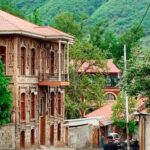
Shamakhi & Lahij Coppersmith Villages, compared.
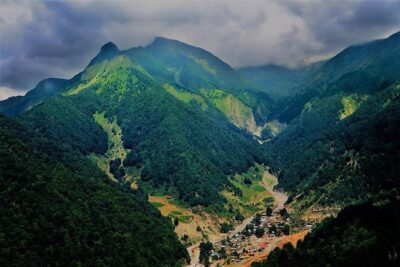
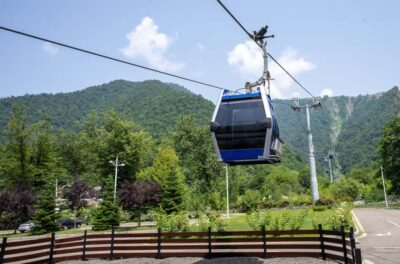
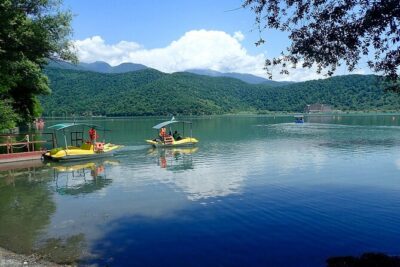

Gabala & Shamakhi Nature Tour (Group or Private)
Read our review →
Gabala-Shamakhi-Tufandag -Nohur lake – Lavender fields
Read our review →Browse the lists this tour appears in