
Reviewed · GOBUSTAN PETROGLYPHS & MUD VOLCANO TRIPS
Baku: Gobustan & Absheron Trip
Fire and mud in one long day. This 9-hour Absheron and Gobustan outing links UNESCO Qobustan rock pictures with the Yanar Dag natural flame, then closes with Ateshgah’s fire-temple story.
I like how the stops feel like three chapters of the same region. You go from prehistoric life in rock shelters, to weird natural geology at the mud volcanoes, to a place where ancient ideas about fire were shared by different faiths. One possible drawback is the pacing: the tour packs a lot in, so if you need extra time to read museum displays, you may feel rushed.
In This Review
- Key highlights to know before you go
- Entering Old Baku via Bibi-Heybat Mosque
- Qobustan and Gobustan: prehistoric art under the open sky
- Mud volcanoes: the world’s weirdest geology stop
- Yanardag (Yanar Dag) and the natural flame moments
- Absheron Peninsula road trip stops that connect the dots
- Ateshgah of Baku: the fire temple where beliefs overlap
- Price and value: what you pay versus what you add
- Food and time planning for a full-day coach tour
- Practical tips: what to pack and how to stay comfortable
- Booking call: who should choose this trip?
- FAQ
- How long is the Baku to Gobustan and Absheron trip?
- Where do I meet for pickup?
- What languages are the live guides?
- Is lunch included?
- Which entrance tickets cost extra?
- What should I bring?
- Who should not join this tour?
Key highlights to know before you go
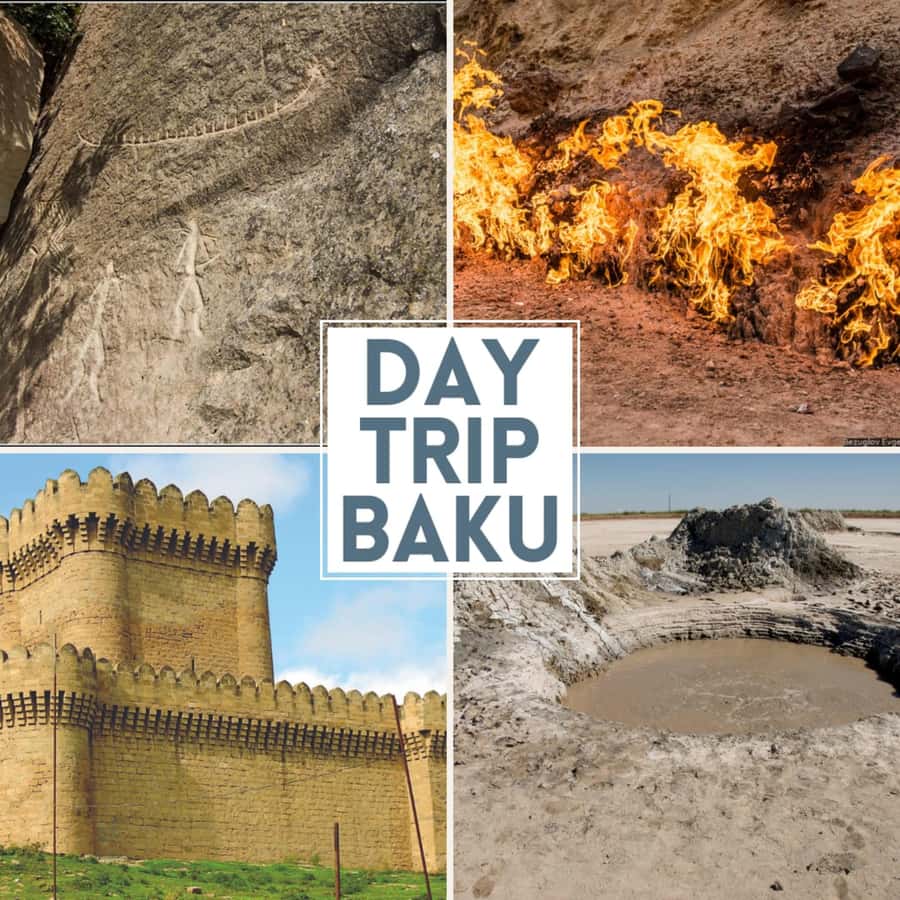
- Qobustan caves and rock pictures (UNESCO 2007): guided walking routes with cave views, prehistoric rock art, and insight into early living.
- Mud volcanoes scale and practical use: Azerbaijan’s unusually high number of mud volcanoes, plus local claims about mud for skin, joints, and bones.
- Yanardag Fire Mountain viewpoints: short walk and photo time around the famous natural flame at Yanar Dag.
- Ateshgah Fire Temple as a meeting point of beliefs: fire-worship, Zoroastrianism, and Hinduism explained in one site.
- Bibi-Heybat Mosque photo stop with historical significance: a guided look plus a chance to see the tomb area connected to relatives of Prophet Muhammad.
- Qoşa Qala Qapısı finish: a medieval-feeling stop that’s great for one last look and photos.
Ateshgah and Yanardag fire trips to compare:
- BEST Gobustan, Volcanoes & Absheron Fire Tour (Group or Private)
★ 5.0 · 1,254 reviews - Gobustan and Absheron tour (All inclusive)
★ 5.0 · 1,014 reviews - Baku: Gobustan, Volcanoes, Fire Temple and Yanardag Day Trip
★ 4.7 · 433 reviews
Entering Old Baku via Bibi-Heybat Mosque
Most days start with an easy meet-up and then you head straight into the religious and visual heart of the city. You’ll get picked up around the Double Gates of Old City (Icherisheher), with pickup also offered for hotels a short distance beyond the core area (6 to 7 km from the city center on Nizami street and nearby).
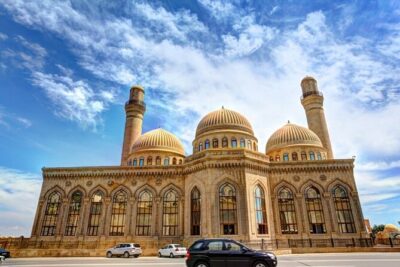
The first real stop is Bibi-Heybat Mosque. Plan on a photo break plus a guided look. This isn’t just a pretty facade. The mosque is known for the tomb connected to relatives of Prophet Muhammad (s.v.s.), so even a short visit gives you an anchored sense of where faith and history overlap in Baku. Dress matters here, so bring a headscarf if you expect to cover up.
If you’re the type who likes to get your bearings fast, this is a smart start. You’re not driving out into the countryside before you understand the city’s major landmarks.
Qobustan and Gobustan: prehistoric art under the open sky
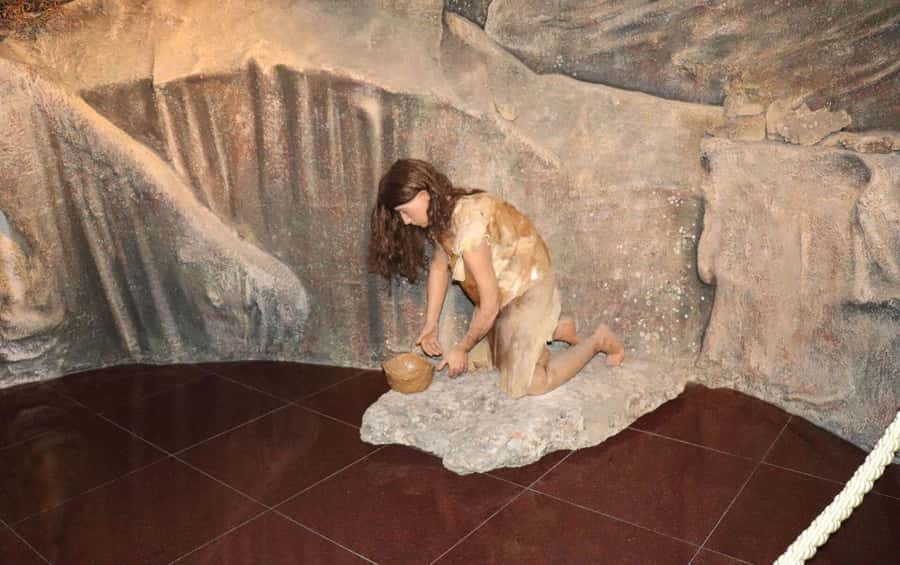
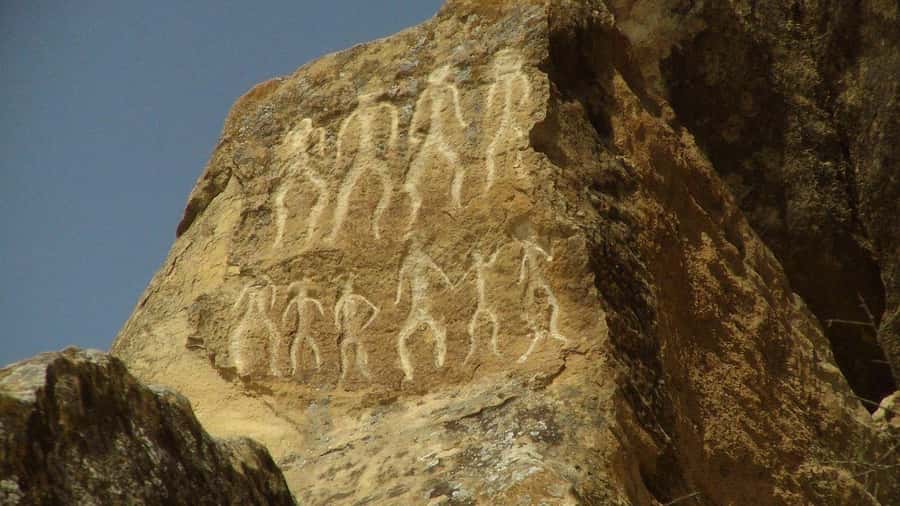
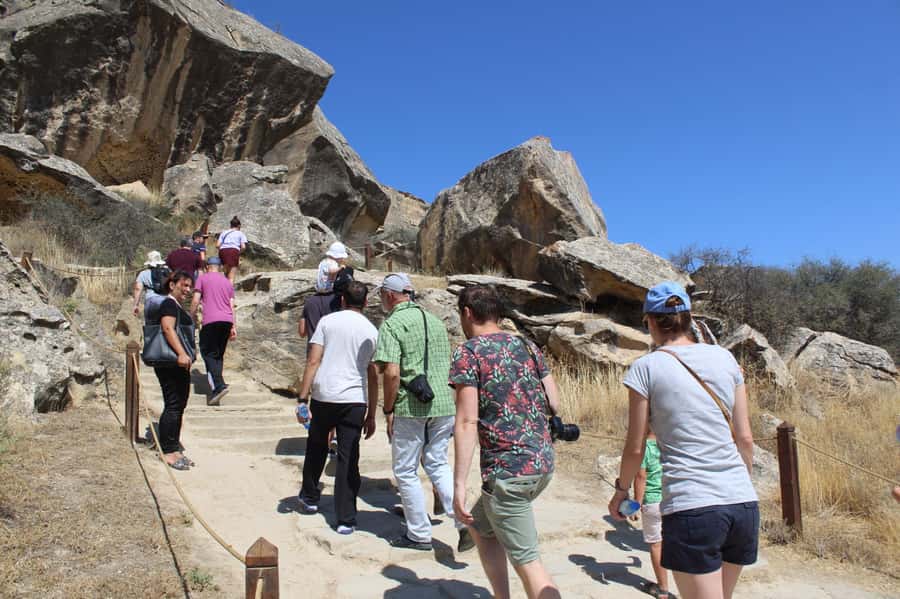
After the first city stop, the day shifts gears toward one of Azerbaijan’s most important archaeological landscapes. Qobustan (Gobustan) is part of the UNESCO-protected State Historical and Artistic Reserve (protected in 2007). The core of the experience is a guided walk that blends cave viewing with rock paintings and stories about prehistoric life.
What I like about this stop is the mix of scale and texture. Rock art is never just a single photo moment. The guide’s job is to help you read what you’re seeing, so you understand why these carvings and paintings mattered to people living in the region long ago. You’ll also be guided through caves, with time set aside for walking and scenic views along the way.
There is also a focus on daily life themes, including “ancient cuisine” and how primitive communities lived. That’s a nice change from tours that treat prehistoric sites like pure archaeology. Even if your main goal is pictures, you end up with a clearer picture of the people behind the art.
Time note: Qobustan is one of the longest stops of the day, but it’s still a shared-group schedule. Wear shoes built for uneven ground and quick walking. If you want to linger at every panel and read slowly, you might have less space to do that than you’d like.
Mud volcanoes: the world’s weirdest geology stop
Then comes the muddy part. The tour heads to the Mud Volcanoes area with a photo stop and free time to explore the viewing spots.
Here’s the big context that makes this stop more interesting than just a curiosity: scientists note about 800 mud volcanoes worldwide, and 354 are in Azerbaijan, which is about 40% of the global total. That kind of concentration changes how you think about this phenomenon. It’s not random, it’s a regional signature.
The tour also frames the mud in a practical way. The tour information highlights claims that the mud is useful for skin, joints, and bones. I’m not here to claim medical outcomes, but I do like that the tour explains why people care about this site beyond tourism. You get the sense that there’s a lived culture around the landscape.
How much you’ll enjoy this depends on your tolerance for “photo and look” style stops. This is not a long hike. It’s more of a short viewing window where you can soak in the strangeness, snap photos, and then move on.
Gobustan petroglyph and mud volcano trips to compare:
- Baku: Gobustan, Mud Volcano, Fire Mount, Temple Lunch Entry★ 4.9 · 3,246 reviews
- Gobustan & Mud, Fire Temple, Burning Mountain (Group & Private)★ 4.5 · 418 reviews
- Baku: Gobustan Absheron Tour Entry Tickets included★ 4.9 · 329 reviews
- Gobustan-Mud Volcan-Fire Temple and Mountain Tour/Entrance inc★ 5.0 · 267 reviews
Yanardag (Yanar Dag) and the natural flame moments
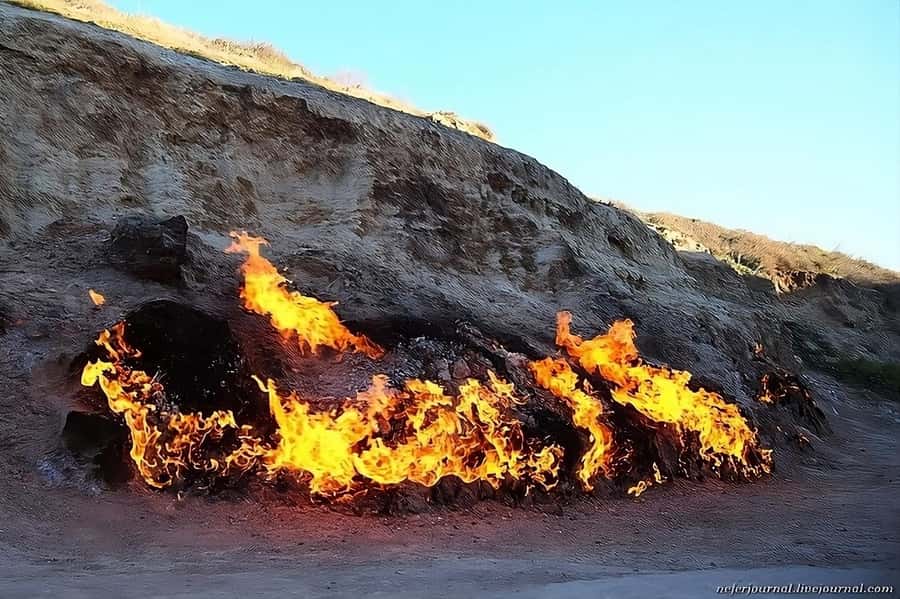
Next is Yanar Dag (Yanardag), the Burning Mountain, famous for an amazing natural flame. This is one of those rare travel scenes that looks even better in person than in pictures, mostly because it’s so unexpected.
You get a guided segment, plus time to walk a bit and take photos. Expect the visit to feel like a checkpoint for the day’s theme: fire not as a modern novelty, but as a real force that people in the region have noticed for thousands of years.
A quick practical thought: bring comfortable clothes for walking and wind, and use flashlight if your route includes darker cave-like areas elsewhere during the day. For Yanar Dag itself, the tour is more about being outdoors and seeing the flame, so you’re mainly preparing for the weather and footing.
Absheron Peninsula road trip stops that connect the dots
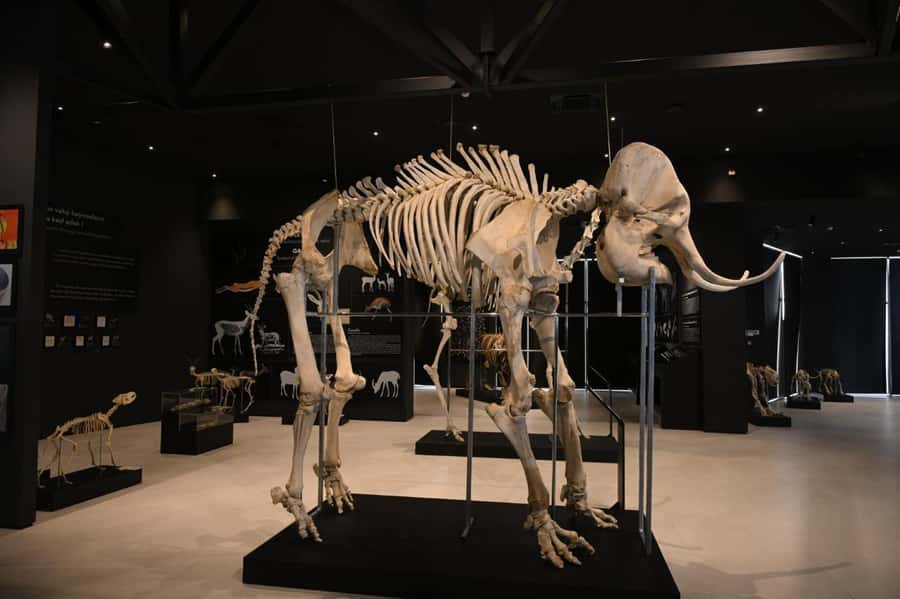
Between the major monuments, you get a “moving and looking” segment on the Absheron Peninsula. This part includes photo and sightseeing time, with guided input and short walks at specific points.
One small curiosity here is a vintage car stop. It’s brief, but it adds a playful break to a day otherwise dominated by caves and temples. It’s also useful if you want a moment where the group energy doesn’t feel purely informational.
This road-trip rhythm matters. Gobustan and the fire sites are not close together, so the coach time is doing more than just transportation. It helps the guide build connections: why fire mattered to ancient people, why the landscape shaped religious ideas, and how different faith traditions later interpreted shared ideas about sacred elements.
Ateshgah of Baku: the fire temple where beliefs overlap
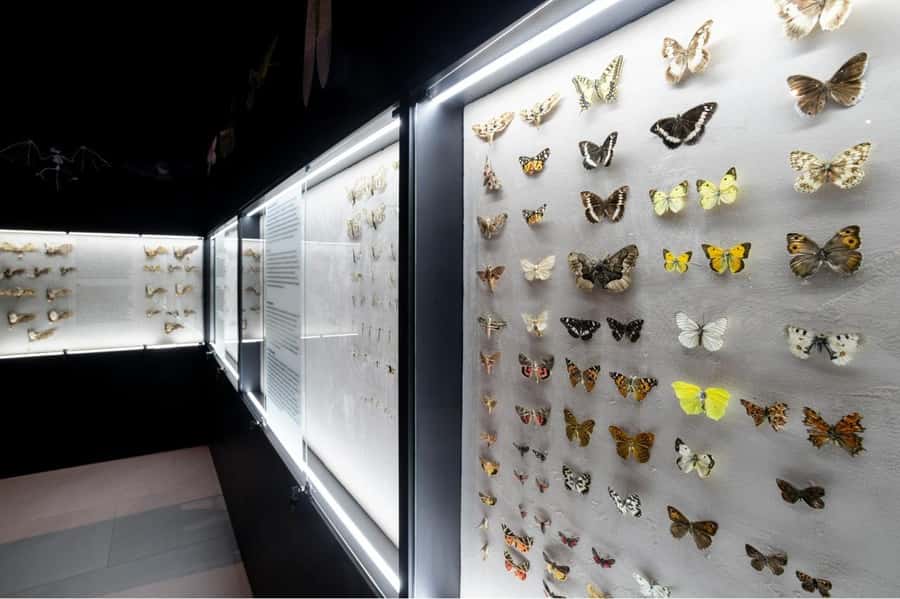
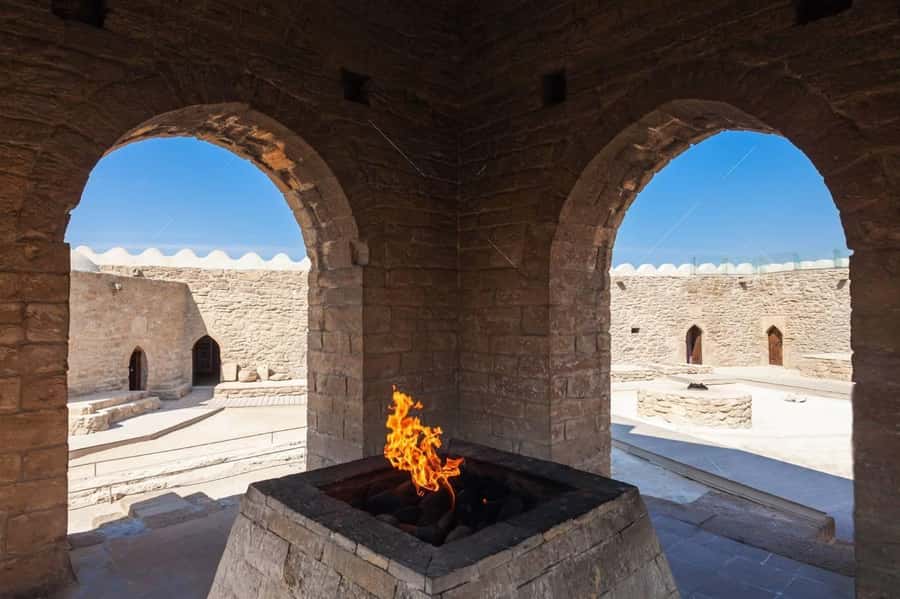
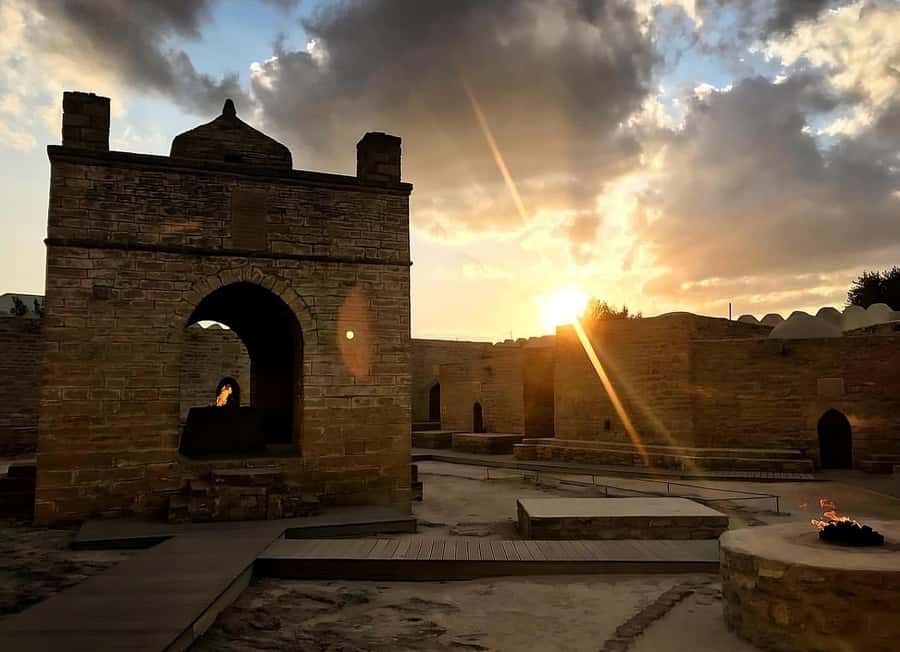
The last big storyline is Ateshgah of Baku, sometimes called the Fire Temple. This is one of the most thought-provoking stops on the route because it’s designed as an explanation site, not just a photo site.
The tour information explains Ateshgah as a place of confluence of three teachings: fire-worship, Zoroastrianism, and Hinduism. I like how the guide frames it through the shared role of fire as sacred. The “common ground” approach keeps it from turning into a confusing religious history lecture. Instead, you see how different traditions could converge around the same symbol.
There’s also a cultural continuity theme. The tour notes that people considered fire holy centuries ago, and that the religious holiday Novruz became a national celebration. That makes the visit feel less like a museum artifact and more like a living idea carried forward.
Historical notes add depth. The tour information references “Eternal Lights” mentioned in records tied to Atilla the Great Hun Emperor, Marco Polo, and others. It also states that scientists date the age of the holy hearth to about 4 to 5 thousand years. Even if you don’t memorize numbers, the point lands: this is not a modern roadside attraction.
Your final stop is Qoşa Qala Qapısı. Finishing there adds a medieval-feeling visual bookend to the day, giving you something architectural to focus on at the end when your energy might be running low.
Price and value: what you pay versus what you add
The listed price is $30 per person for a 9-hour guided day trip with pickup, professional guide, and comfortable transportation. It also includes a discount card for special discounts in a sweets shop, which is small but fun.
What you still need to budget for are the entrance tickets. Not included are:
- Qobustan Museum: 10 AZN
- Mud Volcanoes Tourism Complex: 15 AZN
- Fire Temple and Burning Mountain: 15 AZN
If you’re doing math before you go, this matters. Your total cost is the base tour price plus tickets. Still, the value is decent if you want guided context at several major sites in one day. The coach helps you avoid the hassle of piecing together multiple transport legs on your own.
Where value can drop is if you’re picky about time. If you hate short museum visits and want lots of slow reading, you might feel you paid for movement rather than depth. In that case, private touring could suit you better.
Food and time planning for a full-day coach tour
Lunch is not included, even though there is a planned 1-hour break mid-tour where you can eat at a restaurant or fast food at your own expense.
This is where I suggest you travel smarter. When a day starts early and runs into multiple outdoor stops, timing can feel tighter than you expect. Bring a plan B in your day bag: a small snack, water, or something simple to hold you over. Your stomach will thank you, especially if the group meal runs a bit behind.
Also, because this is a long day, your comfort matters. The tour includes wheelchair accessibility, but the walking components still require steady footwear and practical clothing. If you’re sensitive to long periods sitting on a coach, you might want a scarf or light layer for temperature changes.
Practical tips: what to pack and how to stay comfortable
Bring:
- Comfortable shoes for walking on uneven ground
- Comfortable clothes for outdoor sightseeing
- Flashlight (helpful for darker cave sections)
- Headscarf (useful for covering during religious stops)
- Credit card (the tour lists it as part of what to bring)
Not allowed in the vehicle and around activities:
- Pets
- Smoking in the vehicle
- Smoking indoors
- Alcohol and drugs
- Strong fragrances
- Speakers
- Non-folding strollers
Also consider who this may not suit. The tour information lists it as not suitable for people with heart problems, haemophilia, babies under 1 year, people over 95, and people over 70. Even if you’re on the edge, think honestly about the walking and the full-day schedule.
For language, the guide can be English, Russian, or Turkish. If you’re choosing based on communication, pick the language you feel most fluent in so you don’t miss the explanations that make Qobustan and Ateshgah so much more than scenery.
Booking call: who should choose this trip?
If your goal is a big Absheron day that links fire, mud, and ancient beliefs, this tour makes sense. It’s best for you if you like guided explanation and you enjoy seeing how one region can contain prehistoric art, strange geology, and religious symbolism in a single loop.
I would lean away from it if you:
- want lots of quiet time to read displays without time pressure
- dislike a firm group pace
- are especially sensitive to long stretches of sitting and then sudden walking
The upside is that the tour’s structure is built for clarity. You get guided context at the key sites: Qobustan, the fire sites, and Ateshgah. And for people who care about the human side of guiding, you’ll find guides with real personality. One guide named Sabuhi (Smile Tours) was specifically praised for being engaging and helpful with strong English.
If that’s your style, book it, show up with comfortable shoes and a small snack, and you’ll end the day with a surprisingly coherent story of how people in this region have watched fire and earth for thousands of years.
FAQ
How long is the Baku to Gobustan and Absheron trip?
It runs for 9 hours.
Where do I meet for pickup?
The meeting point is at the Double Gates of Old City (Icherisheher). Pickup is also available for hotels outside Old City or Nizami street within about a 6 to 7 km radius from the city center.
What languages are the live guides?
The live tour guide is available in English, Russian, and Turkish.
Is lunch included?
No. Lunch is not included, but there is a 1-hour break mid-tour where you can eat in a restaurant or fast food at your own expense.
Which entrance tickets cost extra?
Entrance tickets not included are: Qobustan Museum (10 AZN), Mud Volcanoes Tourism Complex (15 AZN), and Fire Temple and Burning Mountain (15 AZN).
What should I bring?
Bring comfortable shoes, comfortable clothes, a flashlight, a headscarf, and a credit card.
Who should not join this tour?
The tour is listed as not suitable for people with heart problems, haemophilia, babies under 1 year, people over 95 years, and people over 70 years.
Latest additions around Baku


Gobustan Petroglyphs & Mud Volcano Trips, compared.
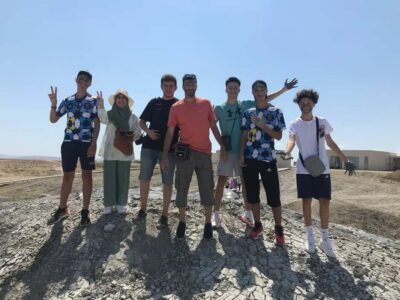
Gobustan, Mud Volcano, Fire Mount, Temple Lunch Entry
Read our review →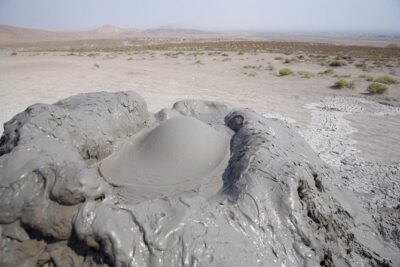
BEST Gobustan, Volcanoes & Absheron Fire Tour (Group or Private)
Read our review →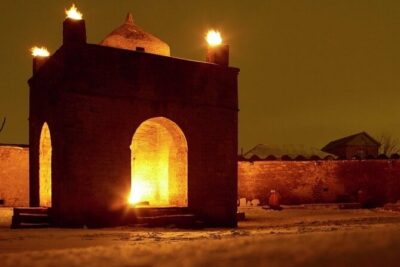
Gobustan, Volcanoes, Fire Temple and Yanardag Day Trip
Read our review →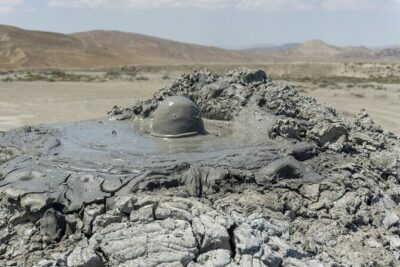
Gobustan & Mud, Fire Temple, Burning Mountain (Group & Private)
Read our review →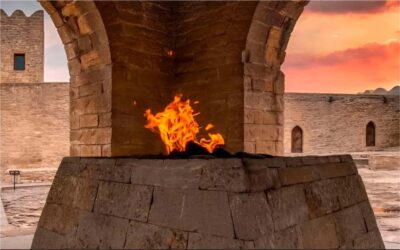
Gobustan-Mud Volcan-Fire Temple and Mountain Tour/Entrance inc
Read our review →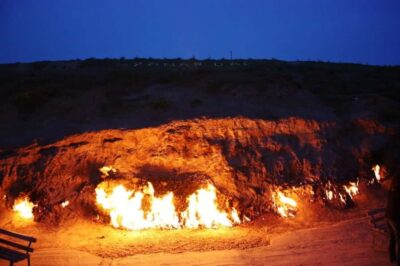
Gobustan Mud Volcanoes Temple & Entry tickets included
Read our review →Browse the lists this tour appears in