
Reviewed · GOBUSTAN PETROGLYPHS & MUD VOLCANO TRIPS
Baku: Gobustan, Mud Volcano, Fire Temple & Burning Mountain
Eternal fire and ancient rock in one day. This guided Absheron tour strings together Gobustan rock carvings (over 20,000 years old) and the world’s first mechanically drilled oil well from 1846, plus mud volcanoes and the Ateshgah eternal flame. The tradeoff is that the day can run long with site time and road time, so if you have a tight schedule, plan extra breathing room.
I like that this trip is priced to be realistic for a half-day-ish outing, and it includes air-conditioned transport plus an English speaking guide. You’ll also get a practical mix of geology, religion, and industrial heritage, with a short look outside the Heydar Aliyev Cultural Center to round out modern Baku. One thing to watch: pickup and timing can be inconsistent in the real world, so confirm the exact pickup point and be ready for traffic.
When the guide is strong, the whole route clicks, and some guides (including Javid, who’s been noted as multilingual and attentive) can turn these stops into a smooth, easy day. It’s also listed as not suitable for people over 70, even though it’s otherwise described as fun for all ages.
In This Review
- Key highlights you should care about
- How long this day trip really feels from Baku
- Gobustan rock art: the “how old is this?” stop
- Mud volcanoes: the geology lesson you can smell
- Bibi-Heybat Mosque: a short cultural breather
- Oil well from 1846: why it belongs on this route
- Ateshgah Fire Temple and Burning Mountain: where the heat is real
- The modern-city stop: a quick look from outside
- Price and ticket choices, including the easiest way to avoid hassles
- Guide and timing: how to make this day smooth
- Who should book this, and who should skip it
- Should you book this tour?
- FAQ
- How long is the tour?
- Where do you get picked up in Baku?
- What are the main places included in the route?
- Is lunch included?
- Are entry tickets included?
- Do you need 4×4 transport for the mud volcanoes?
- What should I bring?
- Are alcohol or drugs allowed?
- What is the cancellation policy?
Key highlights you should care about
- Gobustan carvings that can go back more than 20,000 years, with guided context that helps you see what you’re looking at
- Mud volcanoes with a 4×4 component, so you’re not just staring at them from far away
- Ateshgah Fire Temple and the eternal flame, where you can actually feel the heat and understand why people came here
- Bibi-Heybat Mosque, a key Islamic monument in Baku that fits well into a tight schedule
- Yanar Dag and Burning Mountain area, a quick step into Azerbaijan’s famous natural “fire” zones
- The 1846 oil well stop, a short but meaningful bridge between ancient legends and industrial-age reality
Ateshgah and Yanardag fire trips to compare:
- BEST Gobustan, Volcanoes & Absheron Fire Tour (Group or Private)
★ 5.0 · 1,254 reviews - Gobustan and Absheron tour (All inclusive)
★ 5.0 · 1,014 reviews - Baku: Gobustan, Volcanoes, Fire Temple and Yanardag Day Trip
★ 4.7 · 433 reviews
How long this day trip really feels from Baku
This is an Absheron region tour, so you’re not crossing the country. The drive from Baku is usually about 40 to 60 minutes, and then the day becomes a string of short to medium stops, each one different in pace and terrain.
Expect a 6 to 7 hour outing, and keep your expectations flexible. A trip like this needs time for parking, walking, photo stops, and the occasional “everybody wants the same shot” moment. If you’re the type who likes to lock in dinner time to the minute, I’d build in a cushion, because traffic can stretch road segments and lunch may land later than you think if the schedule shifts.
The good news is that it’s structured so you’re not stuck doing one thing all day. You’ll go from ancient rock art to mud geology, then into a mosque, then into the fire sites, and finish with a modern Baku visual cue.
Gobustan rock art: the “how old is this?” stop
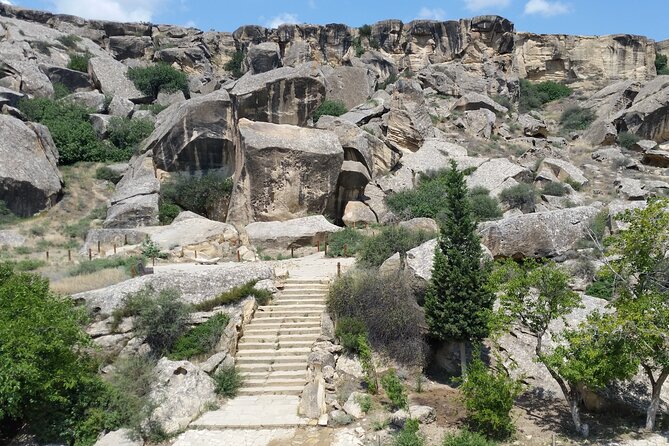
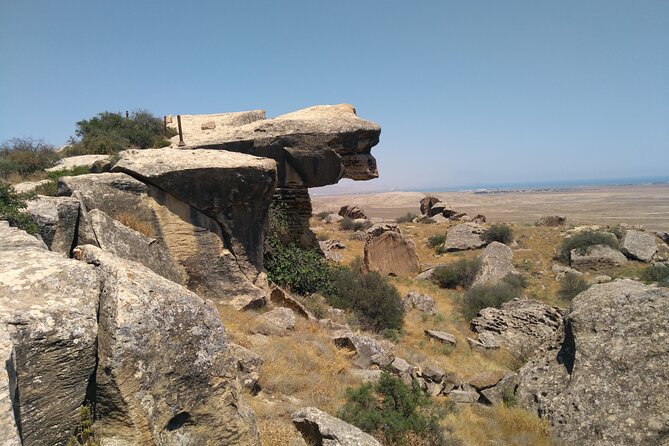
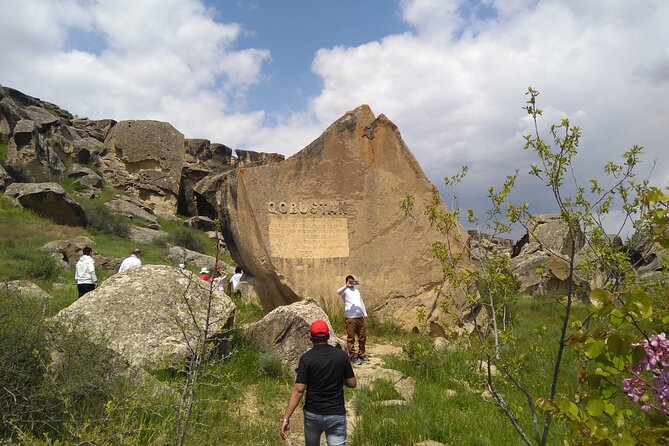
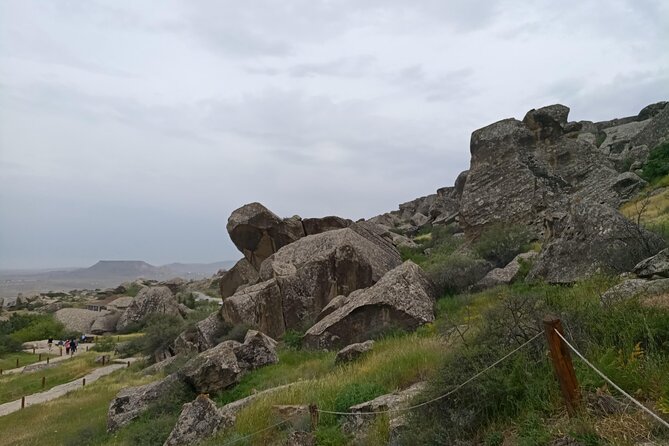
Gobustan is where the trip earns its wow factor fast. You’ll visit the rock art area and walk through guided explanations of the carvings. Some of these artworks are described as being over 20,000 years old, which is the kind of number that stops being meaningful unless someone points out what you should look for.
What makes this stop valuable is the clarity. The guided part matters here because you’re not just sightseeing. You’re trying to understand marks on stone as clues to human life long before modern Azerbaijan looked the way it does today. You’ll likely notice how the carvings are placed and how they relate to the broader Gobustan setting, not just random scratches.
Practical tip: wear shoes that handle uneven ground and bring a light layer. The area can feel exposed when you’re outside for photos. Also, this is a stop where you’ll want to take your time, even if the schedule moves you on, because the visuals reward a second look.
Mud volcanoes: the geology lesson you can smell
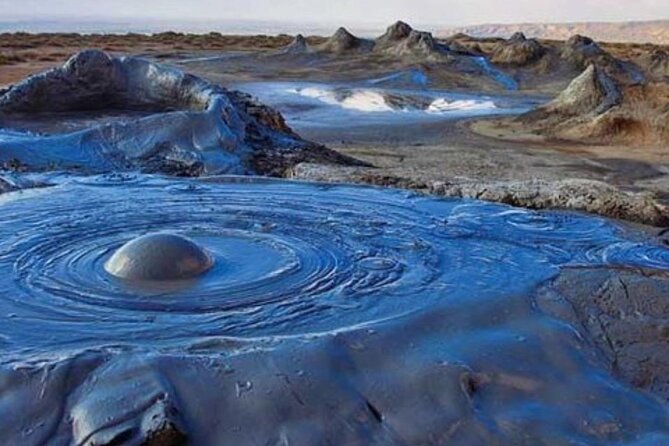
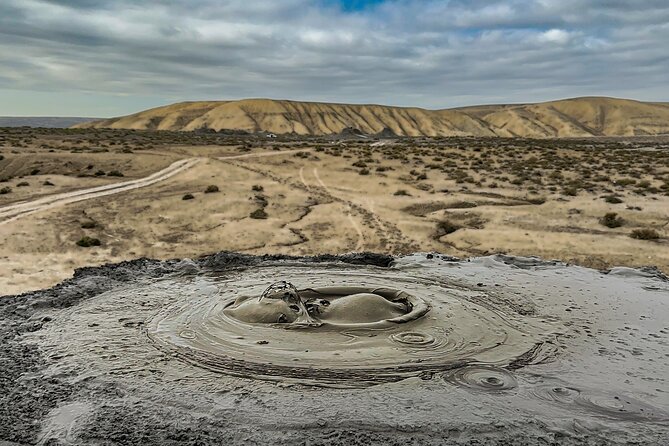
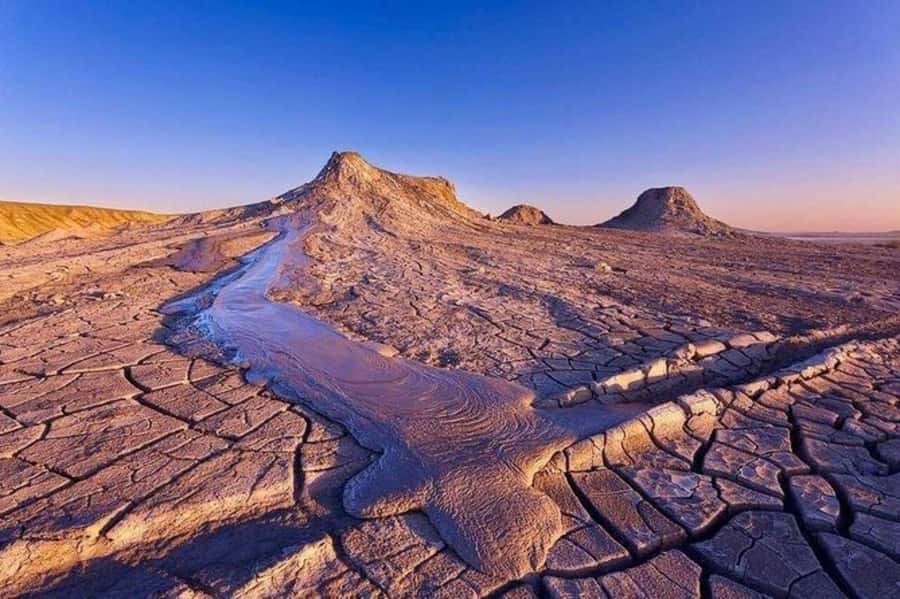
After Gobustan’s rock art, the mud volcanoes bring you back down to earth. You’ll visit the Mud Volcanoes of Gobustan and learn why Azerbaijan has so many mud volcanoes. That’s not just trivia. It helps you connect the visual chaos to a real process.
Here’s what’s special: mud volcanoes are active features, and they can look alien, almost like something staged for a movie. But they form through natural movement of gas and mud from below the surface. The guide can help you understand what you’re seeing, so it feels like a lesson instead of a photo line.
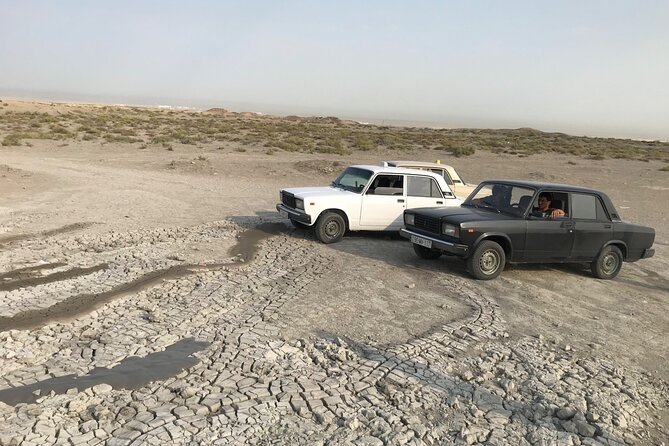
Also, you’re not just walking from the highway. The 4×4 charge is included for the mud volcano portion. That matters because it can change how close you get and how quickly you move across the rougher sections of the site.
Practical tip: this is a place for comfortable clothing you don’t mind getting dusty. And yes, bring your camera, but also bring your attention, because the best moments are the ones you understand, not just the ones you shoot.
Gobustan petroglyph and mud volcano trips to compare:
- Baku: Gobustan, Mud Volcano, Fire Mount, Temple Lunch Entry★ 4.9 · 3,246 reviews
- Gobustan & Mud, Fire Temple, Burning Mountain (Group & Private)★ 4.5 · 418 reviews
- Baku: Gobustan Absheron Tour Entry Tickets included★ 4.9 · 329 reviews
- Gobustan-Mud Volcan-Fire Temple and Mountain Tour/Entrance inc★ 5.0 · 267 reviews
Bibi-Heybat Mosque: a short cultural breather
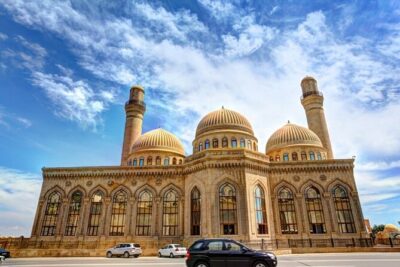
Between the natural oddities and the fiery sites, you stop at Bibi-Heybat Mosque, described as a key Islamic monument in Baku. Even if your time there is short, this is a meaningful waypoint because the day has a theme shift. You move from geology and ancient carvings into a place of worship and architectural identity.
Why I like this stop for first-timers: it prevents the day from becoming only “unusual nature.” It adds a human anchor. The guide’s narration helps you connect the mosque to Baku’s broader Islamic heritage, instead of treating it like a quick exterior only.
Practical tip: dress appropriately and follow any on-site guidance. Even if your tour is timed tightly, the mosque visit is one of those moments where being respectful makes the experience better.
Oil well from 1846: why it belongs on this route
One of the most memorable “wait, what?” stops is the world’s first mechanically drilled oil well from 1846. It’s not a museum-style marathon stop, but it’s powerful because it changes the conversation. Azerbaijan’s relationship with oil is not a recent story, and this stop helps you see that timeline in a concrete way.
You might expect a day like this to focus only on ancient rock art and natural fire. Instead, the oil well offers a modern historical contrast. That mix is what keeps the tour from feeling repetitive.
Practical tip: even if the oil well stop is brief, keep your eyes open for the markers and explanations provided by your guide. The value is in the context, not in the size of the structure.
Ateshgah Fire Temple and Burning Mountain: where the heat is real
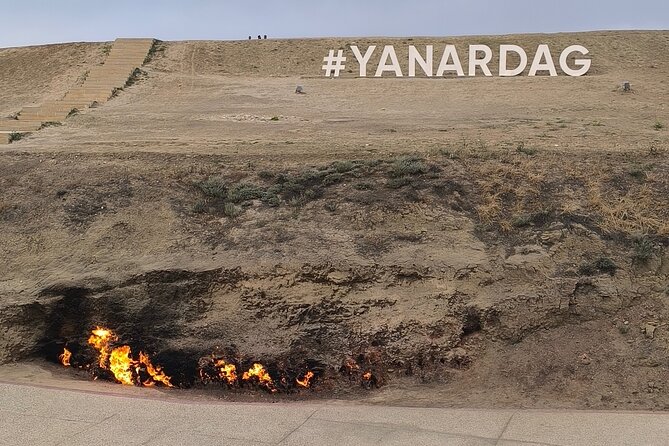
Then you reach Ateshgah Fire Temple, where the highlight is the eternal flame. People come for the symbolism, but the main reason it hits is physical reality. You can feel the heat and understand that this isn’t just theatrical storytelling. It’s tied to natural gas vents and the way flame behaves in that environment.
From there, the tour connects to the Yanardag Reserve and the Burning Mountain area, including Yanar Dag. This part of the day helps you see the fire theme as a region, not a single attraction. You’ll also have time for a guided exploration around the area, including a visit to the village of Mammadli as part of the route.
Why this is good value on a half-day: you’re getting multiple “fire” perspectives within one itinerary. First, the sacred site with the flame. Then, the broader natural burning area. It’s a logical sequence, especially if your guide explains what causes the flame and why locals historically associated it with reverence.
Practical tips:
- Bring comfortable shoes. You may walk more than you expect.
- Expect outdoor weather swings. Even if Baku weather is mild, reserve areas can feel colder or windier.
- If you get photos, do it quickly and then step back. You’ll enjoy the experience more when you don’t only view it through your phone.
The modern-city stop: a quick look from outside
Near the end, you’ll make a stop outside the Heydar Aliyev Cultural Center. This isn’t the main “story” of the tour, but it’s a smart finishing touch.
After Gobustan’s ancient time depth and the fire sites’ natural power, this outside look helps you reset your perspective. It gives you one visual reminder that Baku is not only old stone and mythology. It’s also contemporary design and national identity, even if you only have a few minutes here.
This is also a good moment to check your photos, hydrate, and mentally plan the last stretch back to Baku.
Price and ticket choices, including the easiest way to avoid hassles
The price listed is about $27 per person, and for a day that includes transportation, an English speaking guide, and multiple major stops, that can feel fair. The key is what you select.
If you book an all-inclusive option, you’ll often get lunch and entry tickets included. If you choose a cheaper option, you need to be ready for entry fees on your own:
- Gobustan entry ticket is listed as 10 AZN if not included
- The Ateshgah Fire Temple and Burning Mountain combo ticket is listed as 15 AZN if not included
Here’s my practical take: if you’re comfortable paying in cash and you want to control what you pay, the non-ticket option can be fine. If not, all-inclusive is simpler, especially if you’re arriving with limited time or want less decision-making during the day.
Also, remember that the mud volcano portion includes the 4×4 charge, which you’d otherwise expect to pay separately in many tours. That inclusion supports the “value” side of the equation.
What I’d do: if you can handle cash easily, compare which option leaves you less stressed at the exact moment you’re tired. Stress is the real cost on tours like this.
Guide and timing: how to make this day smooth
Your tour runs on one main ingredient: how well the guide manages transitions. The good news is that strong guides can make these stops click together. Some guides, including Javid, have been praised for being multilingual and caring, which makes a big difference when the group is moving between multiple outdoor areas.
Timing can be the rough edge. Since you’re visiting several sites in one day, road time matters, and traffic can add delays. One person’s “short day” can become another person’s “late lunch” if the route runs behind.
To reduce the chance of a frustrating day:
- Confirm the exact pickup point and time before you go
- Keep your plans open for lunch and return, especially if you booked something important right after the tour
- Wear layers and comfortable shoes so you’re not miserable when you’re waiting outside
Who should book this, and who should skip it
This tour is described as ideal for all ages and is also specifically noted that kids love it. That makes sense for Gobustan’s rock art, mud volcano visuals, and the chance to see and feel the eternal flame.
But it’s also listed as not suitable for people over 70. If you fall into that group, look for a shorter, gentler alternative or confirm walking requirements directly with the operator.
You’ll especially like this if you:
- Want an organized, English guided day in Absheron without planning transport between sites
- Care about natural phenomena and want a guide to explain them clearly
- Like variety, meaning you enjoy switching gears between history, geology, and sacred sites
You might skip it if:
- You have a very strict timetable and no flexibility for possible delays
- You hate outdoor walking or dust, since the mud volcano area can be messy
Should you book this tour?
I think this tour is a solid choice if you want a one-day sampler of what makes the Absheron region memorable: ancient rock carvings, mud volcano geology, and the Ateshgah eternal flame side by side with Baku’s cultural and modern touchpoints.
Book it if you value guidance. The guided parts are what turn Gobustan and the fire sites from “see it” into “understand it.” Also, the inclusion of air-conditioned transport and the mud volcano 4×4 charge helps justify the price.
Hold off if your schedule is rigid or if you don’t want any chance of day timing drift. In that case, consider building in buffer time, or choose a tour with fewer stops.
If you do book, do one simple thing that pays off: bring comfortable shoes, plan for dust and heat, and have cash ready in case you didn’t pick the all-inclusive ticket package.
FAQ
How long is the tour?
The tour duration is listed as 6 to 7 hours.
Where do you get picked up in Baku?
Pickup can be from your Baku hotel, and the starting point can depend on the selected option. There are also drop-off locations listed, including 191 Tolstoy, Baku.
What are the main places included in the route?
You’ll visit Gobustan rock carvings, the Mud Volcanoes of Gobustan, Bibi-Heybat Mosque, the world’s first mechanically drilled oil well from 1846, Ateshgah Fire Temple, and the Yanardag Reserve area including Yanar Dag and the village of Mammadli. There’s also a stop outside the Heydar Aliyev Cultural Center.
Is lunch included?
Lunch is included only if you select the All Inclusive Package option. Otherwise, lunch is not included.
Are entry tickets included?
Entry tickets are included if you choose the All Inclusive Package. If not included, Gobustan entry is listed as 10 AZN, and the Ateshgah Fire Temple and Burning Mountain combo ticket is listed as 15 AZN.
Do you need 4×4 transport for the mud volcanoes?
Yes, and the 4×4 charge for the Mud Volcanoes is included.
What should I bring?
Bring comfortable shoes and clothes, and cash.
Are alcohol or drugs allowed?
No. Alcohol and drugs are not allowed.
What is the cancellation policy?
You can cancel up to 24 hours in advance for a full refund, and the listing also offers reserve now and pay later.
Latest additions around Baku


Gobustan Petroglyphs & Mud Volcano Trips, compared.
Gobustan, Mud Volcano, Fire Mount, Temple Lunch Entry
Read our review →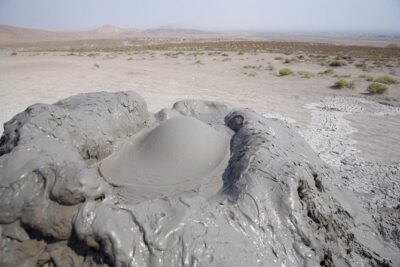
BEST Gobustan, Volcanoes & Absheron Fire Tour (Group or Private)
Read our review →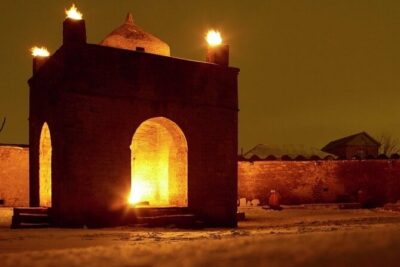
Gobustan, Volcanoes, Fire Temple and Yanardag Day Trip
Read our review →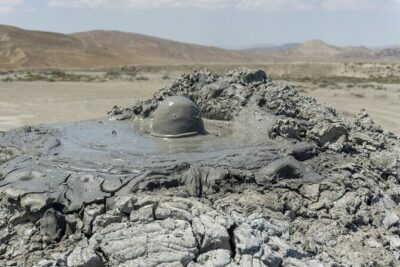
Gobustan & Mud, Fire Temple, Burning Mountain (Group & Private)
Read our review →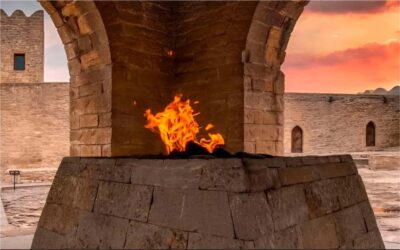
Gobustan-Mud Volcan-Fire Temple and Mountain Tour/Entrance inc
Read our review →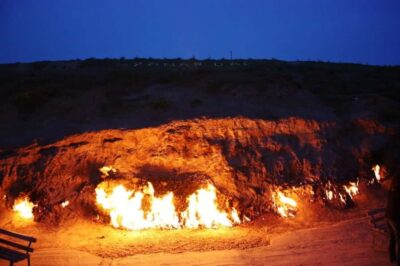
Gobustan Mud Volcanoes Temple & Entry tickets included
Read our review →Browse the lists this tour appears in