
Reviewed · GOBUSTAN PETROGLYPHS & MUD VOLCANO TRIPS
Baku: Gobustan, Mud Volcanoes, Ateshgah, and Yanardag Tour
Fire has a way of telling time. And so do rocks. This 9-hour Baku tour strings together four sites that explain Azerbaijan’s past through Gobustan rock art, bubbling mud volcanoes, and the living myth of fire at Ateshgah and Yanardag. I especially like how the guide makes the old stories feel grounded, and how the Gobustan museum uses touch screens and 3D views to set you up before you walk among the petroglyphs. One practical thing to consider: it’s a long day with multiple sites, and lunch plus several entry tickets are not included.
The pacing is steady, not rushed, and you get a live English-speaking guide plus private transportation with hotel pickup and drop-off. If you get a great guide, this tour turns into more than a checklist. My guide on a similar run was Mushfiq, and he was so passionate and well informed that we even got helpful ideas for where to eat back in Baku’s old town.
In This Review
- Key highlights you will actually care about
- A full-day Absheron loop, built for comfort and context
- Gobustan Museum: touch screens first, so the rocks mean something
- Gobustan rock art caves and petroglyphs: 6,000+ marks with real guidance
- Mud volcanoes near Baku: climb the craters and understand the “medicinal mud” angle
- Ateshgah Fire Temple: fire worship, Zoroastrianism, and a 7th-century reference point
- Yanardag, Burning Mountain: a natural gas flame that has been burning for ages
- Price and logistics: is $99 good value for this route?
- What to bring, and how to get through 9 hours without frustration
- Who this tour is for, and who should think twice
- Should you book this Gobustan, Mud Volcanoes, Ateshgah, Yanardag tour?
- FAQ
- How long is the Baku Gobustan, Mud Volcanoes, Ateshgah, and Yanardag tour?
- Is this tour private or a group tour?
- What language is the live guide?
- How does hotel pickup and drop-off work?
- Is lunch included in the price?
- Are entry tickets included?
- What stops are included, and how long do you spend at each?
- Can I cancel, and how late can I cancel for a refund?
- Is the tour wheelchair accessible?
- Is there a pay later option?
Key highlights you will actually care about
- Gobustan Museum setup first, so the rock art walk makes sense
- Touch screens and 3D panoramas that show life from 5,000 to 20,000 years ago
- Mud volcano craters up close, including the “medicinal mud” story
- Ateshgah Fire Temple, with Hindu and Zoroastrian use and exhibits
- Yanardag Burning Mountain, a natural gas flame that still burns
Ateshgah and Yanardag fire trips to compare:
- BEST Gobustan, Volcanoes & Absheron Fire Tour (Group or Private)
★ 5.0 · 1,254 reviews - Gobustan and Absheron tour (All inclusive)
★ 5.0 · 1,014 reviews - Baku: Gobustan, Volcanoes, Fire Temple and Yanardag Day Trip
★ 4.7 · 433 reviews
A full-day Absheron loop, built for comfort and context
This tour is designed as a single Absheron Peninsula storyline. You start in Baku with pickup, then spend the day moving between sites that each explain a piece of the region’s identity: ancient people and their rock art, the geology that shapes daily life, and why fire and pilgrimage belong in this part of the world.
You are on a private group with an accredited guide speaking English, which matters more than you might think. In places like Gobustan, the details are not obvious at first glance. A good guide helps you “read” what you are seeing, instead of just taking photos and hoping for the best.
Duration is about 9 hours, so you should plan for a full day on your feet. The only real drawback is simple: you have several entry fees at the sites, and lunch is not included. If you show up hungry or unprepared for standing time, the day feels longer than it needs to.
Gobustan Museum: touch screens first, so the rocks mean something
Your first major stop is the Gobustan Museum, with a guided visit that focuses on the setting and the timeline before you ever step outside. I like this approach because Gobustan is not just “old carvings.” It is the cultural record of a landscape, including the environment and how people lived across thousands of years.
Inside, the museum uses touch screens and special 3D panoramas to show what life may have looked like from roughly 5,000 to 20,000 years ago. That range is wide, and it can feel abstract until you see it mapped out. You also get historical exhibits dating from about the 4th to 2nd millennium BC, which gives you a framework for what you later spot in the rock formations.
Practical tip: give your guide a moment at the start. Ask what dates you should pay attention to on the outdoor rock art portion. With that, the petroglyphs outside stop feeling random and start feeling like a timeline.
Gobustan rock art caves and petroglyphs: 6,000+ marks with real guidance
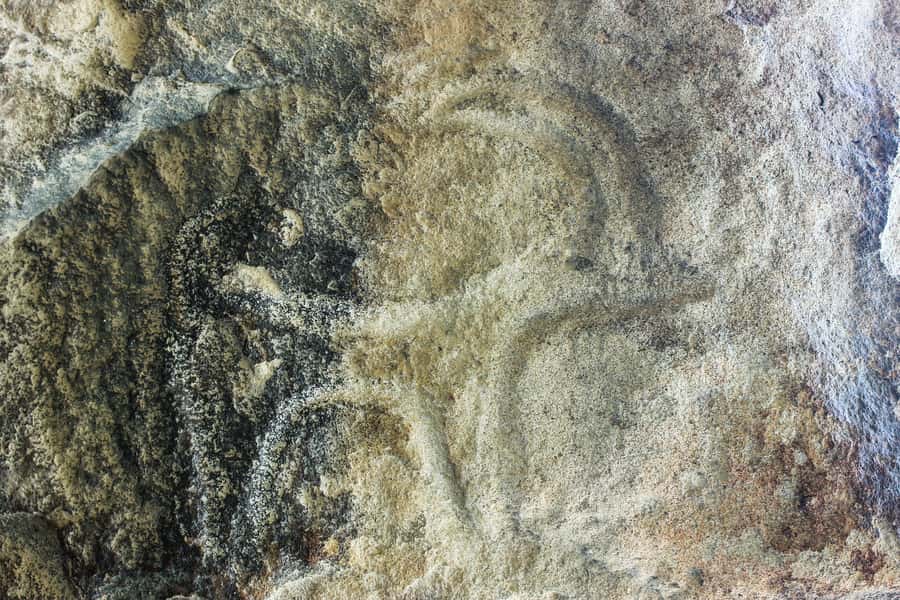
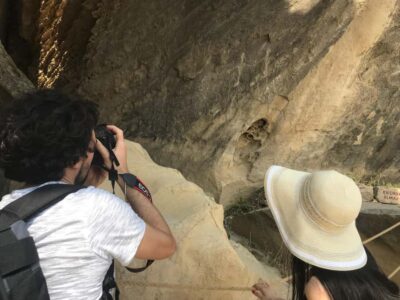
Next comes the Gobustan rocks, where you see the ancient carvings and caves that earned Gobustan its global reputation. Your guide takes you through the outdoor area, pointing out how the designs shift across eras and what those changes can suggest about people’s worldview and customs.
The headline number here is impressive: you will see more than 6,000 rock drawings and caves. These are not all from one moment in time. Scientists identified petroglyphs from different eras, with major finds dating to work done in the 1930s. That means the art is not just “ancient.” It is also part of a research story that continues to be interpreted.
What you will likely enjoy most is learning how to look, not just what you are looking at. With a guide, you start noticing patterns: where carvings cluster, how caves relate to the broader natural setting, and why certain symbols matter more when you know the context.
Wear comfortable shoes. The terrain around rock art sites can be uneven, and you will want traction. Also, expect sun and dust. If you love photos, bring water and plan for short breaks so you can keep your energy up.
Gobustan petroglyph and mud volcano trips to compare:
- Baku: Gobustan, Mud Volcano, Fire Mount, Temple Lunch Entry★ 4.9 · 3,246 reviews
- Gobustan & Mud, Fire Temple, Burning Mountain (Group & Private)★ 4.5 · 418 reviews
- Baku: Gobustan Absheron Tour Entry Tickets included★ 4.9 · 329 reviews
- Gobustan-Mud Volcan-Fire Temple and Mountain Tour/Entrance inc★ 5.0 · 267 reviews
Mud volcanoes near Baku: climb the craters and understand the “medicinal mud” angle
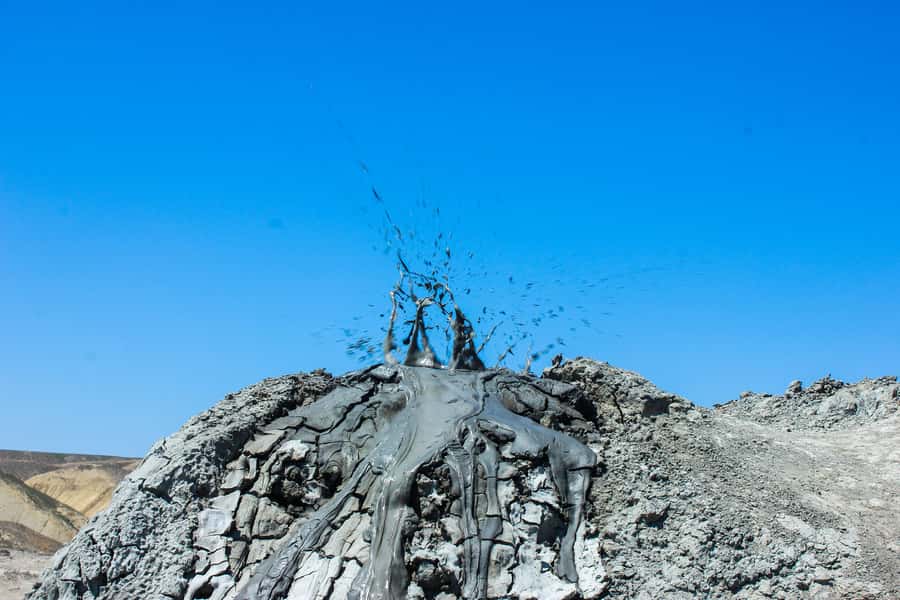
Then it is mud volcano time, and this stop has a different kind of wow. These are not classic volcano mountains with dramatic magma flows. They are a geologic oddity, and the tour treats them as both a natural feature and a practical resource.
According to the tour information, mud volcanoes have appeared on today’s Azerbaijan territory for around 25 million years. Azerbaijan also ranks first in the world for the number of mud volcanoes, with 350 of the 800 worldwide in the country. That fact alone makes the stop feel less like a random side trip and more like a local specialty.
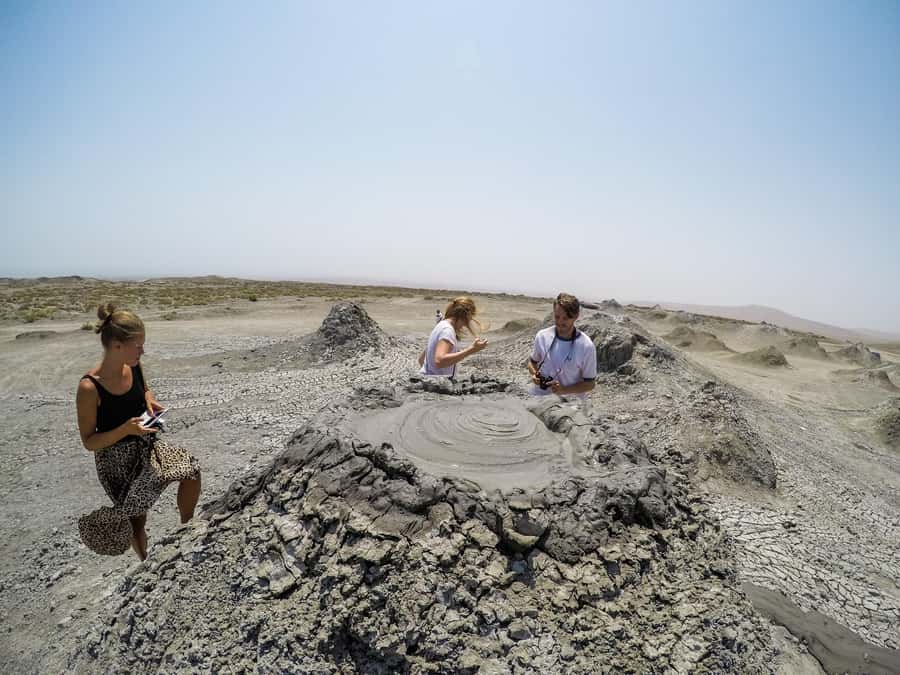
You will visit mud volcanoes with a guided explanation, then climb an active mud volcano to see craters up close. That is the part you will remember later. Up close, it is easier to understand why these sites have stories tied to health and treatment. The tour also connects the eruptions to real-world uses, noting that mud and volcanic materials are used as raw material in chemical and construction industries, and in pharmacology.
There is also a medicinal claim: today, volcanic clay and mud are used for diseases connected to the nervous system, skin, and rheumatism. I treat this part as a cultural and historical viewpoint rather than a medical promise. Still, it is interesting to hear how geology becomes part of traditional thinking and local practice.
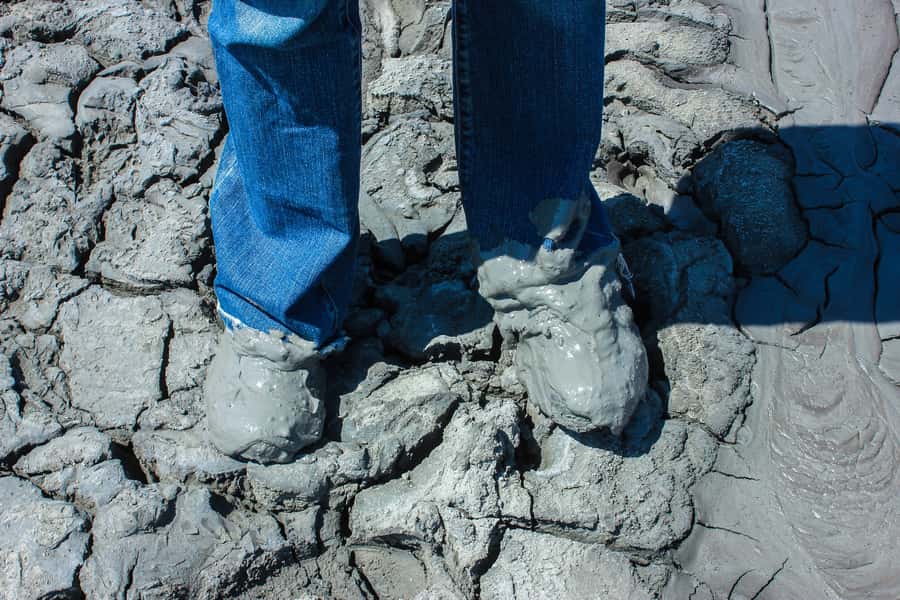
Bring shoes you can handle getting messy, and keep your camera ready but your expectations realistic. Mud volcanoes are fascinating, but you are not on a clean, landscaped platform.
Ateshgah Fire Temple: fire worship, Zoroastrianism, and a 7th-century reference point
After the mud, the tour shifts from earthy to fiery. Ateshgah Fire Temple is used as a Hindu and Zoroastrian place of worship, and the tour highlights the connection between the region and fire traditions.
One anchor point is timing: the first mention of this temple dates back to the 7th century AD. That gives you a real historical anchor instead of a vague legend. You will also see “cells” of fire worshippers with historical exhibits found during archaeological excavations.
What I like about including Ateshgah after Gobustan and the mud volcanoes is the way it ties the day together. Earlier stops explain how this region formed. This one explains how people interpreted that connection, especially around fire as something sacred and meaningful.
Even if you are not a religion-history person, you will still get something from the visit: a sense of why a temple built around fire traditions made sense here. In other words, the story is not just about beliefs. It is about geography and ritual meeting in the same place.
Yanardag, Burning Mountain: a natural gas flame that has been burning for ages
To finish the day, you go to Yanardag, the Burning Mountain. This is where the tour delivers its most “how is this possible” moment.
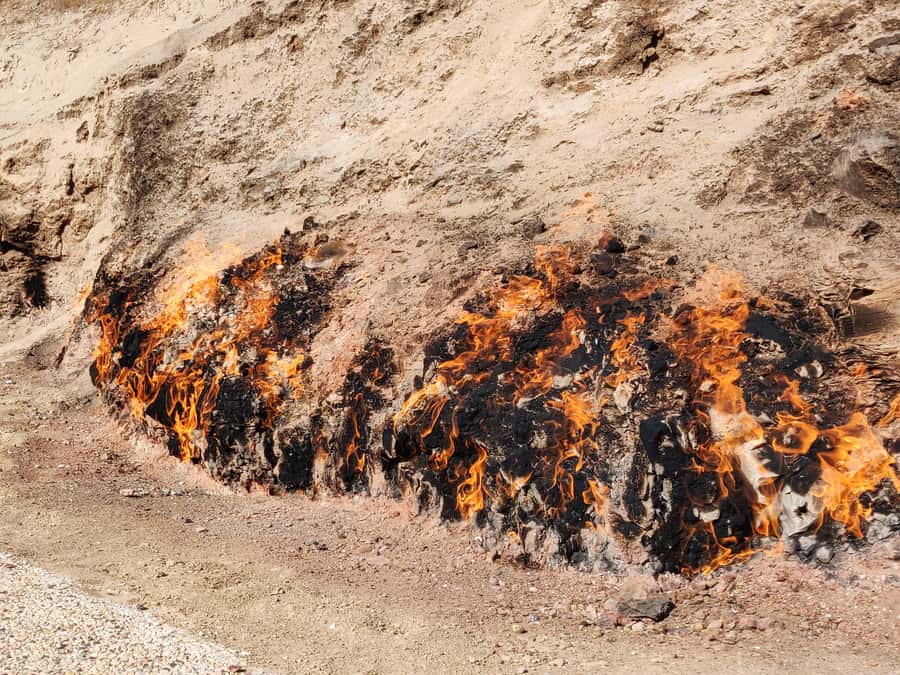
Yanardag is a natural gas flame that has been constantly burning on a hillside on the Absheron Peninsula near Baku. The meaning of the name is given as Burning Mountain, and the tour also notes that the flame has been burning since ancient times.
This stop comes with a strong cultural detail. Pilgrims from Iran and India still come to visit the sacred burning mountain. That matters because it means Yanardag is not only a museum topic. It is a living place with ongoing spiritual attention.
Your guided visit is about 40 minutes, which is enough time to understand the story and take photos without feeling trapped. Practical advice: plan for heat and light glare, especially if the sun is strong. If you want photos, a steady tripod can help, but follow local guidance where cameras and equipment are concerned.
Price and logistics: is $99 good value for this route?
The tour price is $99 per person, and it includes pickup and drop-off in Baku, an accredited English-speaking guide, private transportation, and guided visits at each site.
The trade-off is that entry tickets are separate. The tour lists these:
- Gobustan entry ticket: USD 6
- Mud volcanoes entry ticket: USD 9
- Ateshgah and Yanardag entry tickets: USD 9
If you add those, your total outlay becomes roughly USD 123 (tour price plus the listed site tickets), before any lunch or personal spending.
To me, that is decent value because you are paying for three things that are hard to replicate cheaply or easily on your own: a guide who connects the dots, private transportation that keeps you from juggling timing, and a structured flow that starts with Gobustan’s museum context and ends with the fire sites. If you were to self-drive or piece together separate visits, the mental workload and transport time would likely cost you more than the ticket difference.
What to bring, and how to get through 9 hours without frustration
This is a practical day, so your checklist is simple:
- Comfortable shoes
- Water
- Sunscreen
- Camera
Also, plan meals smartly. Lunch is not included. You have a break for lunch in the city center during the tour, so having a plan for what you want to eat helps you make the most of that time.
If you are sensitive to heat, use sunscreen early. If you are the type who hates rushing, speak with your guide at the start about your photo priorities. The best tours run smoothly because you communicate your pace, not because you silently endure it.
Who this tour is for, and who should think twice
This tour fits best if you want a single day that covers Azerbaijan’s big themes on the Absheron Peninsula: ancient rock art, unique geology, and fire-related heritage.
It is also a good match if you value a guide who can explain. The English-speaking guide element is a big deal in Gobustan, where the “story” behind petroglyphs can be hard to interpret without help. In at least one case, the guide even went beyond the tour by sharing where to go for dinner afterward, which tells you the experience can be service oriented.
Who should think twice:
- If you need wheelchair accessibility, note that it is not suitable for wheelchair users.
- If you prefer a slow, flexible day with lots of free wandering and minimal transitions, this structured 9-hour route may feel like more movement than you want.
Should you book this Gobustan, Mud Volcanoes, Ateshgah, Yanardag tour?
I would book it if you want a full-day sampler that still feels coherent, not random. The strongest reason is the sequence. The museum sets the stage, Gobustan rocks give you the evidence, mud volcanoes add a physical and practical connection to local life, and then Ateshgah and Yanardag close the loop on fire as both history and belief.
Skip it if you hate long days, you do not want to pay separate entry fees, or you need wheelchair accessibility. Otherwise, it is a smart way to see several of the most distinctive Absheron Peninsula stops in one go.
FAQ
How long is the Baku Gobustan, Mud Volcanoes, Ateshgah, and Yanardag tour?
The tour lasts about 9 hours.
Is this tour private or a group tour?
It is a private group tour.
What language is the live guide?
The live tour guide speaks English.
How does hotel pickup and drop-off work?
Pickup and drop-off are included at your hotel or other locations in Baku.
Is lunch included in the price?
No. Lunch is not included. There is a break for lunch in the city center during the day.
Are entry tickets included?
No. Entry tickets are not included: Gobustan (USD 6), mud volcanoes (USD 9), and Ateshgah and Yanardag (USD 9).
What stops are included, and how long do you spend at each?
The guided portions listed are: Gobustan (about 2 hours), mud volcanoes (about 40 minutes), Ateshgah (about 1 hour), and Yanardag (about 40 minutes).
Can I cancel, and how late can I cancel for a refund?
Free cancellation is available up to 24 hours in advance for a full refund.
Is the tour wheelchair accessible?
No, it is not suitable for wheelchair users.
Is there a pay later option?
Yes. You can reserve now and pay later, with the option to pay nothing today.
Latest additions around Baku



Gobustan Petroglyphs & Mud Volcano Trips, compared.
Gobustan, Mud Volcano, Fire Mount, Temple Lunch Entry
Read our review →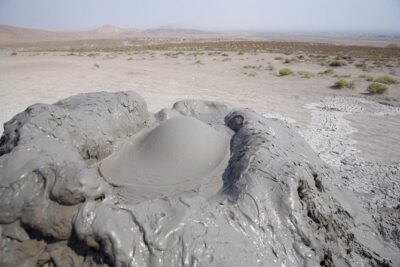
BEST Gobustan, Volcanoes & Absheron Fire Tour (Group or Private)
Read our review →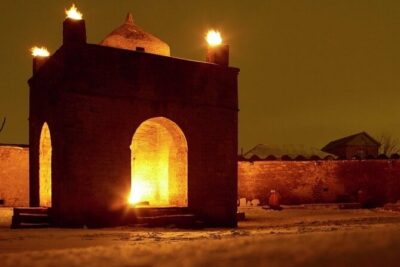
Gobustan, Volcanoes, Fire Temple and Yanardag Day Trip
Read our review →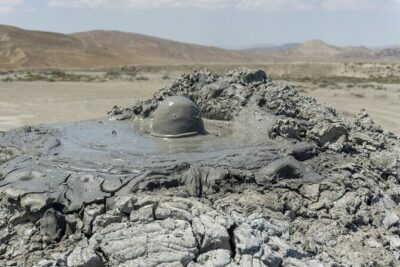
Gobustan & Mud, Fire Temple, Burning Mountain (Group & Private)
Read our review →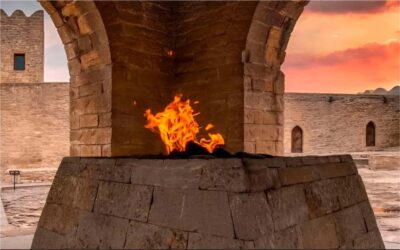
Gobustan-Mud Volcan-Fire Temple and Mountain Tour/Entrance inc
Read our review →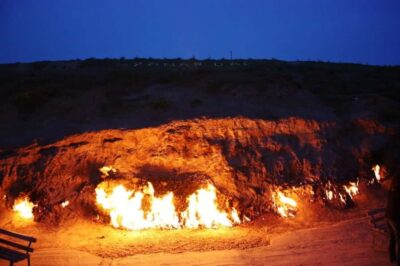
Gobustan Mud Volcanoes Temple & Entry tickets included
Read our review →Browse the lists this tour appears in