
Reviewed · GOBUSTAN PETROGLYPHS & MUD VOLCANO TRIPS
Gobustan and Absheron trip (Group or Private)
Gobustan and Absheron is one of those Baku days where time moves fast. You start with UNESCO-listed Gobustan rock carvings, then switch gears to active mud volcanoes and the Absheron Peninsula’s famous fire sites.
I like the balance here: you get both the big iconic stops (Yanardag, Ateshgah, Bibi-Heybat Mosque) and the meat of the story at Gobustan through an indoor and open-air experience. The small-group format (max 17) also tends to make your guide easier to ask questions of. One thing to plan around is that mud volcano timing is weather dependent, and it can affect how close and how long you spend there.
In This Review
- Quick hits worth knowing
- Price and logistics: where the value really is
- From hotel pickup to Gosha Gala Tower: how the day starts
- Gobustan mud volcanoes: the close-up part (and the weather part)
- UNESCO Gobustan Rock Art: what you actually see on the ground
- The outdoor and indoor museum moments
- The interactive museum stop (modern, practical, and easy to navigate)
- Absheron lunch stop: the break you should plan for
- Ateshgah Fire Temple in Surakhani: why fire mattered
- Yanardag Burning Mountain: the fire wall effect
- Bibi-Heybat Mosque: history, spiritual center, and a quick pause
- Small-group feel and guide style: the biggest difference-maker
- What I’d pack and how I’d plan your photo stops
- Who this tour suits best (and who should pick another option)
- Should you book the Gobustan and Absheron day trip?
- FAQ
- How long is the Gobustan and Absheron trip?
- Is hotel pickup and drop-off included?
- What group size should I expect?
- What is included in the tour price?
- Is lunch included?
- Are admission tickets included for every stop?
- Does the mud volcano visit depend on weather?
- Are there any special rules for cancellation?
Quick hits worth knowing
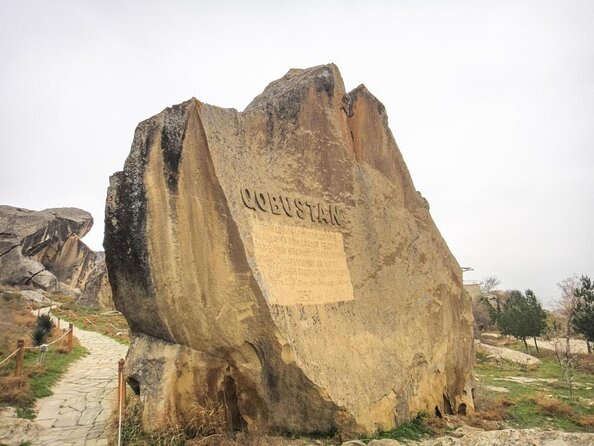
- UNESCO Gobustan rock art: more than 6,000 engravings and cave and burial remains tied to 40,000 years of human activity
- Mud volcano access by special vehicles: a road-tested taxi, plus an extra car on the rough part (Soviet SUV Lada)
- Fire Theme in a tight route: Ateshgah (Surakhani) plus Yanardag Burning Mountain on the north side of Baku
- Small group size: capped at 17 travelers, with guide help in English or Russian
- A photo-friendly but time-tight day: several stops are short, so you will want a quick photo plan
Ateshgah and Yanardag fire trips to compare:
- BEST Gobustan, Volcanoes & Absheron Fire Tour (Group or Private)
★ 5.0 · 1,254 reviews - Gobustan and Absheron tour (All inclusive)
★ 5.0 · 1,014 reviews - Baku: Gobustan, Volcanoes, Fire Temple and Yanardag Day Trip
★ 4.7 · 433 reviews
Price and logistics: where the value really is
This full-day tour runs about 8 hours for $30 per person. At that price, you are mainly paying for two things that are hard to DIY in one day: hotel pickup/drop-off in Baku and a guide to connect the dots between Gobustan, mud volcanoes, and the fire sites around Absheron.
What is not included matters. Lunch is extra, and admission tickets are not included for at least some parts of the day (notably the mud volcanoes and Gobustan rock art). Other stops are listed as free, like Bibi-Heybat Mosque, so the day is not fully pay-on-top, but you should expect a couple of extra line items.
The practical win: you do not have to negotiate transport between scattered sites. The tour uses an air-conditioned vehicle, and it even accounts for road conditions with special transport on the way to the mud volcano area.
From hotel pickup to Gosha Gala Tower: how the day starts
The day begins with pickup from your hotel in Baku, with the tour operating around the Old City area meeting point (Old City Hub, bus stop area). The first stop is Gosha Gala Tower, listed with free admission and a short time on the clock.
This quick introduction is useful because it gets you moving without wasting time. Also, it sets a rhythm for the day. You are not spending the morning stuck in long transit talks; you are rolling straight into the Gobustan side of Baku’s geology and archaeology.
Gobustan mud volcanoes: the close-up part (and the weather part)
Gobustan’s mud volcanoes are the star for anyone who likes earth that feels alive. You will go out in special transport because of road conditions, and the itinerary notes an extra vehicle portion using a Soviet SUV Lada for the rougher stretch.
Here is why this matters for your expectations. Mud volcano time can be unpredictable. The tour explicitly says the mud volcano stop is weather dependent, so if rain, road issues, or access limits interfere, your timing or closeness could change. One more practical thing: admission for this stop is not included, so set aside budget for that.
If you are the type who likes facts you can picture, your guide will likely connect the local names for these features, including Yanardagh (burning mountain), gaynacha (boiling water), and bozdag (grey mountain). The day is built around the idea that Azerbaijan has an unusual concentration of mud volcanoes, and Gobustan is where many of them are found.
Gobustan petroglyph and mud volcano trips to compare:
- Baku: Gobustan, Mud Volcano, Fire Mount, Temple Lunch Entry★ 4.9 · 3,246 reviews
- Gobustan & Mud, Fire Temple, Burning Mountain (Group & Private)★ 4.5 · 418 reviews
- Baku: Gobustan Absheron Tour Entry Tickets included★ 4.9 · 329 reviews
- Gobustan-Mud Volcan-Fire Temple and Mountain Tour/Entrance inc★ 5.0 · 267 reviews
UNESCO Gobustan Rock Art: what you actually see on the ground
Gobustan is not a quick drive-by. It is a UNESCO Gobustan Rock Art Cultural Landscape experience, built around two related stops in the reserve area.
The outdoor and indoor museum moments
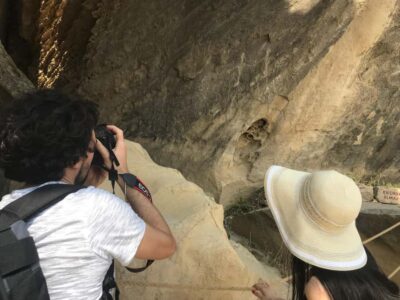
You get a visit to the local indoor and open-air museum. The description emphasizes a dense collection of engravings, with more than 6,000 rock engravings linked to roughly 40,000 years of rock art. You also see traces of daily life from different periods, including cave remains, settlements, and burials that reflect intensive human use after the last Ice Age wet periods, from the Upper Paleolithic into the Middle Ages.
This is where your guide’s storytelling really helps. Without interpretation, rock art can feel like patterns on stone. With a good guide, you can start noticing themes tied to hunting and the fauna around the region, and how people used this area over time.
Admission for the rock art portion is listed as not included, so you will pay your own entry for that component.
The interactive museum stop (modern, practical, and easy to navigate)
There is also a dedicated interactive museum visit, noted as a modern complex opened in 2011 after reconstruction. You can walk the grounds of the reserve territory and use information tools including touchscreen displays in multiple languages.
This section is also described as collecting more than 100,000 archaeological materials, with thematic areas and animated presentations. If you like learning quickly without getting lost, this is a strong format. You get the story in a way that supports the stone you will see.
The one drawback: the time is short in this second museum segment (about 15 minutes). If you want to linger on specific exhibits, arrive ready to scan and pick what matters most to you.
Absheron lunch stop: the break you should plan for
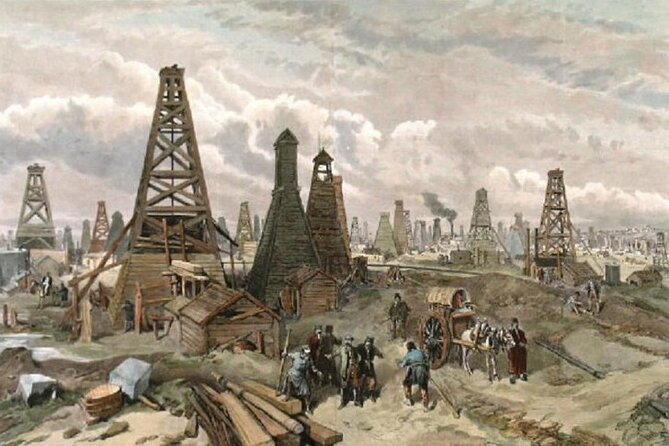
After Gobustan, the route heads toward the Absheron side. Lunch is a traditional restaurant stop, and this is where the tour shifts from sights to “fuel.”
Lunch is explicitly extra, and the itinerary notes the lunch time as about 1 hour. One practical number shared from an example visit was a lunch cost of about 20 manat per person, and it included a lot of food. Since pricing can vary, treat that as a reality check, not a promise.
My advice: eat like you are heading into museums and viewpoints back-to-back. This is a day where energy matters, because the remaining stops are fire-themed and outdoors-facing.
Ateshgah Fire Temple in Surakhani: why fire mattered
Then comes Ateshgah, also called the Fire Temple of Baku, located in Surakhani, a suburb area of Baku. This site is described as castle-like and religious, with roots tied to Zoroastrianism. It is connected to Persian and Indian inscriptions, and the temple was used as a place of worship for both Hindu and Zoroastrian traditions.
What you will appreciate here is the way the site’s physical layout ties to the story. The temple was built around naturally burning flames, and it later received its current form in the early 19th century. The description also notes that the temple became a pilgrimage site for fire worshipping Hindus until the 1880s.
Your guide may connect this stop to the broader Azerbaijan “Land of Fire” idea. In at least one example, Seb was praised for explaining the Zoroastrian background of the Fire Temple clearly, and that kind of linkage turns the visit from “nice building” into “I understand why this exists.”
The time at Ateshgah is about 30 minutes. It is enough to see the grounds and get the key story beats, but not enough to wander slowly if you want every inscription detail.
Yanardag Burning Mountain: the fire wall effect
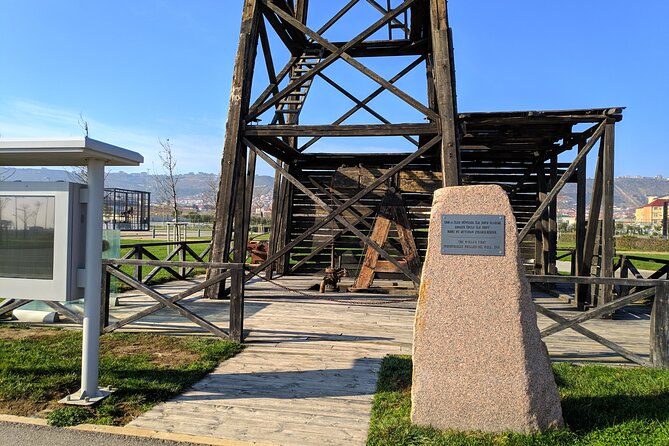
Next you head to Yanardag, the Burning Mountain, about 23 km from the Old Town. The main attraction is described as a hill with a constantly burning wall of flames around a line near the foot of the summit. The cause is linked to natural gas leaks from the rocks after tectonic shifts and volcanic material movements underground.
If you like dramatic geography, this is your payoff. Yanardag is one of those places where a short stop still feels like a big memory because the visuals are immediate and unusual.
There is also a travel-history hook here: Marco Polo is mentioned as having reported flames in the Baku area, and the itinerary notes that the fire may have been burning for a very long time. The area was declared a historical, cultural, and natural reserve in 2007.
Time on site is about 20 minutes. That can feel short if you want endless photos. But for most people, it is the right length to see it clearly without holding up the full schedule.
Bibi-Heybat Mosque: history, spiritual center, and a quick pause
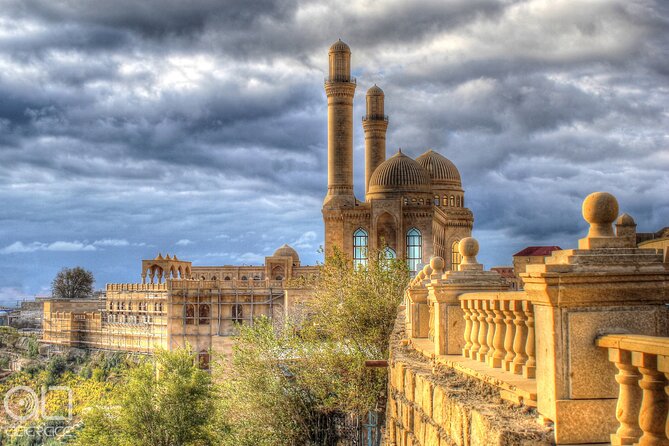
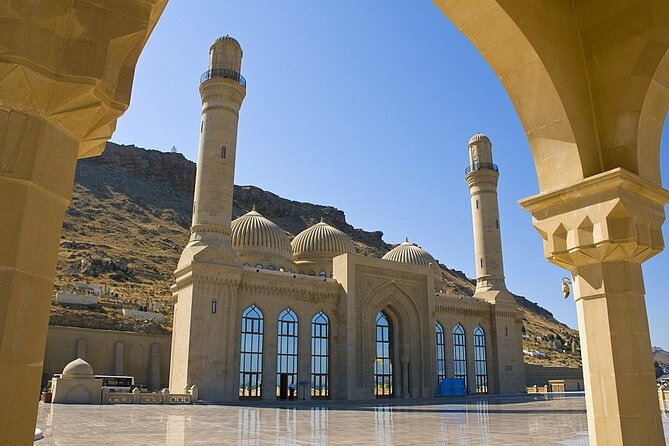
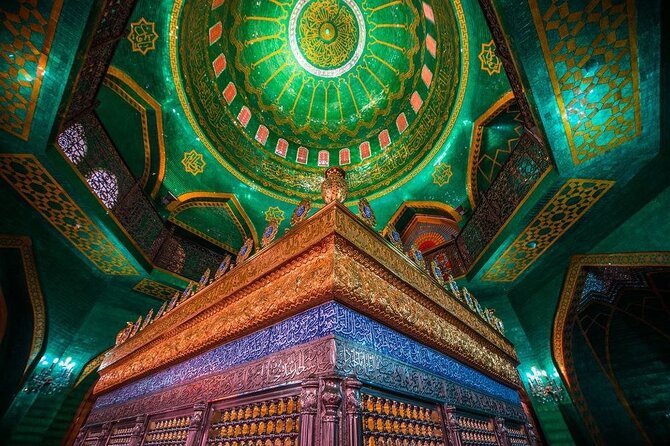
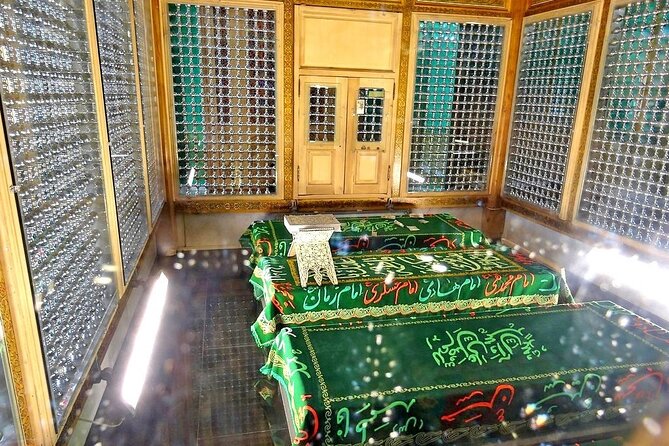
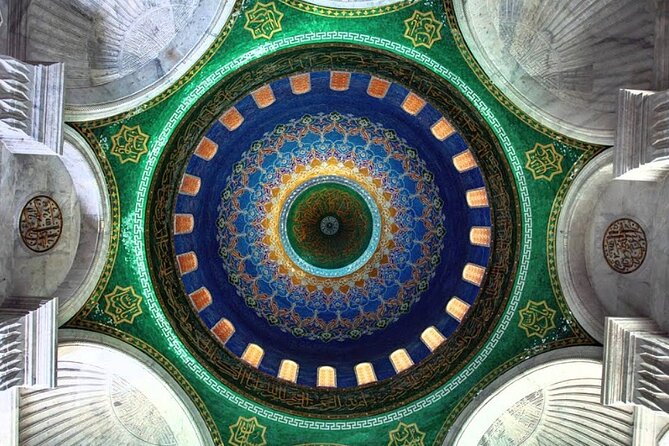
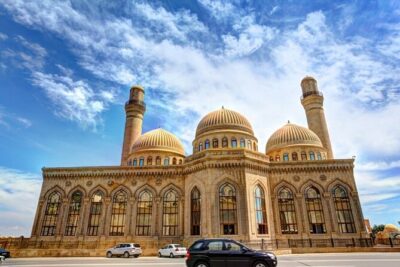
The final major stop is Bibi-Heybat Mosque. The mosque is dated to 1267-1300, and it includes the tomb of Ukeyma Khanum, a descendant of Muhammad. It is described as a spiritual center for the region’s Muslims and an important monument of Islamic architecture in Azerbaijan.
You might also hear it called the mosque of Fatima locally. The current structure is described as a recreation built in the 1990s, matching the earlier mosque name.
This is your quieter moment after fire sites. The visit is short (about 15 minutes) and is listed as free admission. If you want a reflective ending, this stop gives you that, especially if your guide has been connecting themes all day.
Small-group feel and guide style: the biggest difference-maker
The tour caps at 17 travelers, and some departures can get even smaller. In one example, the group was tiny for the first part, and even smaller for the second part. That matters because you are not stuck competing for attention at Gobustan or Yanardag, where time is limited.
Guide quality also shows up in the tour’s depth. Seb was praised for in-depth explanations, including mud volcano eruptions, Zoroastrianism at the Fire Temple, and even linking Azerbaijan life to wider topics. Ley was described as amazing, king, knowledgeable, and friendly in one example. Nazif was praised as professional and well prepared, with history tied to each stop.
Still, there is a realistic consideration. One negative note mentioned that the information delivery was sometimes light and approximated. That is not something you can fully control, but you can manage it by asking questions when you get a chance, especially in Gobustan when you are looking at engravings that are otherwise easy to misunderstand.
What I’d pack and how I’d plan your photo stops
This day mixes museum time with outdoor, earth, and viewpoints. You should plan like you are going to be outside more than you might expect.
- Bring a light layer. Even in warm months, open areas can feel cooler.
- Wear shoes you do not mind if the ground is uneven, especially if you get close during the mud volcano section.
- Charge your phone early. Gobustan’s interactive museum uses screens, and you will want your camera ready.
- If photos are your priority, pick your must-shots first, Yanardag and the fire temple approach views, then let the rest be a bonus.
Also, note the rhythm. Some stops are only 15 to 30 minutes. If you try to photograph everything equally, you may feel rushed.
Who this tour suits best (and who should pick another option)
This works best if you want one focused Baku day that covers three themes without fuss: Stone Age rock art, active earth features, and fire-related religious sites.
It is a good fit for:
- First-time visitors who want a full overview beyond Old City.
- People who like short, intense sightseeing with a guide explaining meaning.
- Travelers who do not want to manage transport between dispersed sites.
It might be less ideal if:
- You want long, slow museum wandering. Gobustan’s interactive time is brief.
- You need unlimited access time at each attraction, because the schedule is tight by design.
- You are sensitive to weather changes, since the mud volcano stop depends on conditions.
Should you book the Gobustan and Absheron day trip?
If your goal is value and variety in one day, I think this tour is an easy yes. For $30, hotel pickup, air-conditioned transport, and a guide-supported route through Gobustan rock art and Absheron fire sites is strong value, especially if you like understanding what you are seeing rather than just checking boxes.
Book it if you can flex on mud volcano conditions and if you are okay with short stop times. If you are the type who hates missing something, consider going in knowing that weather can affect access and timing for the mud volcano segment.
FAQ
How long is the Gobustan and Absheron trip?
It runs about 8 hours (approx.).
Is hotel pickup and drop-off included?
Yes, hotel pick-up and drop-off are included.
What group size should I expect?
The tour has a maximum of 17 travelers.
What is included in the tour price?
Included features are a professional English or Russian guide, an air-conditioned vehicle, and hotel pickup and drop-off.
Is lunch included?
No. Lunch is at a traditional restaurant and is listed as extra.
Are admission tickets included for every stop?
Admission ticket inclusion varies by stop. Mud volcanoes and Gobustan rock art are listed as admission tickets not included, while some other stops are listed as free.
Does the mud volcano visit depend on weather?
Yes. The mud volcanoes stop is stated to depend on the weather.
Are there any special rules for cancellation?
Free cancellation is offered up to 24 hours in advance for a full refund, and the tour can also be offered a different date or refunded if canceled due to poor weather.
Latest additions around Baku
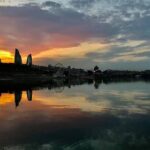

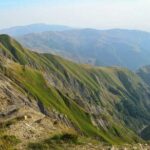

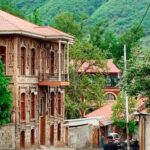
Gobustan Petroglyphs & Mud Volcano Trips, compared.
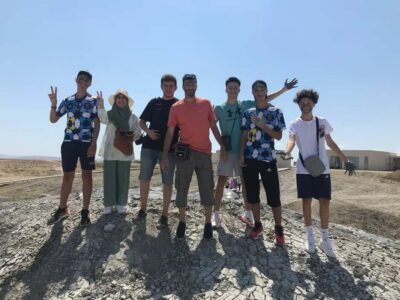
Gobustan, Mud Volcano, Fire Mount, Temple Lunch Entry
Read our review →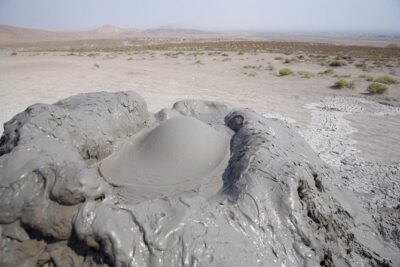
BEST Gobustan, Volcanoes & Absheron Fire Tour (Group or Private)
Read our review →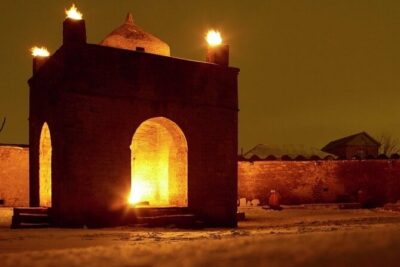
Gobustan, Volcanoes, Fire Temple and Yanardag Day Trip
Read our review →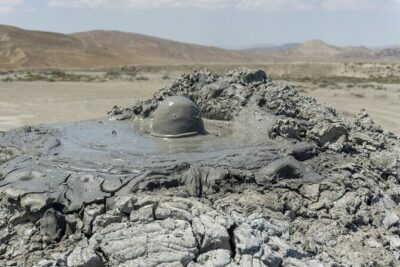
Gobustan & Mud, Fire Temple, Burning Mountain (Group & Private)
Read our review →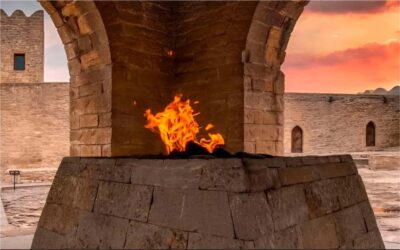
Gobustan-Mud Volcan-Fire Temple and Mountain Tour/Entrance inc
Read our review →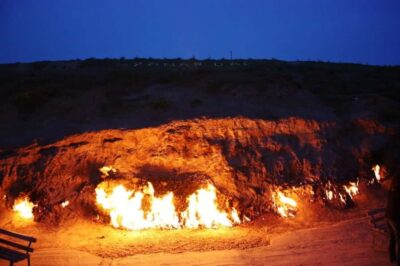
Gobustan Mud Volcanoes Temple & Entry tickets included
Read our review →Browse the lists this tour appears in