
Reviewed · GOBUSTAN PETROGLYPHS & MUD VOLCANO TRIPS
Gobustan and Fire temple Tour with Polish speaking guide
Mud volcanoes near Baku sound unreal, and they are. This Polish-guided Absheron day shows you Gobustan’s geological weirdness, then shifts gears to ancient rock art, historic mosques, and sites tied to Azerbaijan’s oil and sacred flames.
I like how the tour stitches together two very different types of time travel: early humans at the rock art panels, then dramatic natural phenomena in the mud volcano area. I also like the stop at Bibiheybat Mosque, where you get architectural beauty without it feeling like just a quick photo break.
One thing to plan for is cost at the door. Entry tickets are not included, and you will also reach Heydar Aliyev Center only for outside viewing, not inside, due to time limits.
In This Review
- Key highlights worth your attention
- Gobustan Mud Volcanoes and Rock Art, where Earth and Humans Collide
- Bibiheybat Mosque: A Calm Cultural Stop with Serious Architecture
- The Absheron Oil Story at the First Drilled Well Site
- Ateshgah Fire Temple and Yanardagh Burning Mountain, Flames with a Backstory
- Heydar Aliyev Center Outside Viewing Only, a Final Photo Moment
- Price and Entry Tickets, the Real Value Math
- Who This Tour Suits Best
- Should You Book This Gobustan and Fire Temple Tour?
- FAQ
- What is included in the tour price?
- What sites does the tour cover?
- Is the guide Polish speaking?
- Are entry tickets included?
- If I do not select entry tickets, how much do tickets cost?
- Does the tour include Heydar Aliyev Center entry?
- Is a bottle of water included?
- Can I reserve and pay later?
- What is the cancellation policy?
Key highlights worth your attention
- Gobustan mud volcanoes: bubbling, oozing geothermal features that look otherworldly
- Ancient rock art: petroglyphs that connect you to early settlers in the region
- Bibiheybat Mosque: a major architectural and cultural stop on Absheron
- Ateshgah Fire Temple + Yanardagh Burning Mountain: natural gas fueled flames and the Zoroastrian, Hindu, and Sikh story
- First drilled oil well site: a direct link to Azerbaijan’s early oil boom history
- Heydar Aliyev Center photo stop: useful for pictures, but plan on outside viewing only
Ateshgah and Yanardag fire trips to compare:
- BEST Gobustan, Volcanoes & Absheron Fire Tour (Group or Private)
★ 5.0 · 1,254 reviews - Gobustan and Absheron tour (All inclusive)
★ 5.0 · 1,014 reviews - Baku: Gobustan, Volcanoes, Fire Temple and Yanardag Day Trip
★ 4.7 · 433 reviews
Gobustan Mud Volcanoes and Rock Art, where Earth and Humans Collide
The day starts with the Gobustan region, and the first major draw is the mud volcanoes. These are not staged. You are looking at rare, active geology where mud and gas create a surreal scene, the kind that makes you stop talking and just watch.
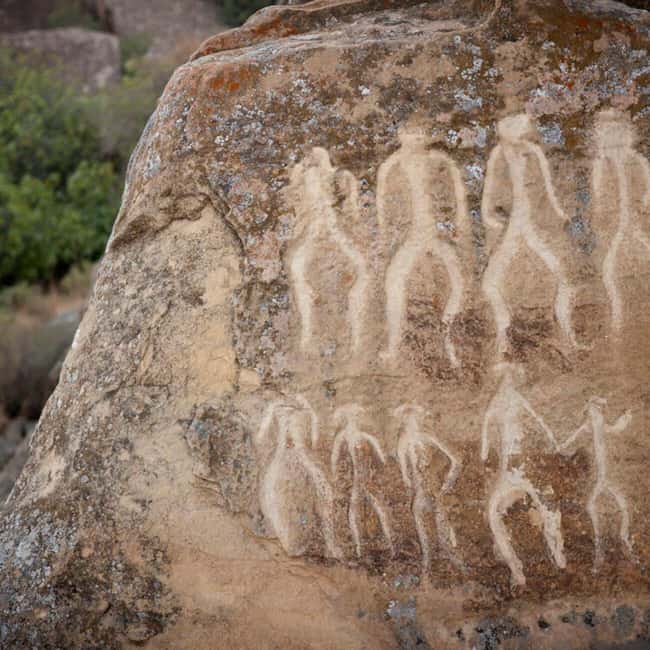
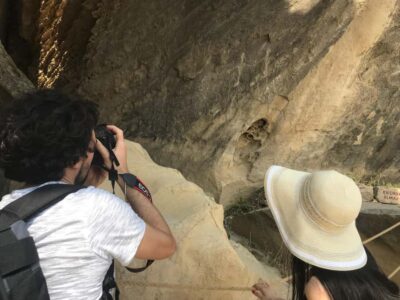
Right after that, the tour moves into the human layer of Gobustan: the rock art. The petroglyphs here are the kind of details you miss if you rush, so the guide’s pacing matters. Instead of treating it like a random set of carvings, you get a sense of how these images fit into the lives of early people in the area. It is a powerful contrast, because you are comparing rock shaped by natural forces with rock used to communicate and record.
A practical note: you will be outdoors for the Gobustan portion, and parts of it can be physically uneven. The tour includes roundtrip transportation and water, which helps, but you still want to be ready for a decent walk between viewpoints.
Bibiheybat Mosque: A Calm Cultural Stop with Serious Architecture
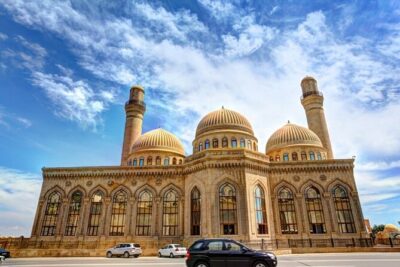
After Gobustan, the tone shifts. The tour takes you to Bibiheybat Mosque, and this is one of those stops where the value is not just the photo. You are there to see architectural design and learn why it matters locally, and the guide’s commentary turns the building into a story rather than a landmark.
This matters because many people visit mosques as quick checkpoints. Here, you get time to slow down a bit and connect form to meaning. Even if you are not a building nerd, the visual symmetry and the clean lines tend to grab you fast. If you care about culture and architecture, this is often the most satisfying break in the middle of a day packed with outdoor sights.
Tip for your mindset: treat this as a breather between the dramatic natural scenes and the flame sites later on. The mosque stop works best when you are not rushing through it, because it gives your brain a reset.
The Absheron Oil Story at the First Drilled Well Site
Then comes a shift that many visitors find surprising: the tour stops at the site of the world’s first drilled oil well. For me, this is the kind of history that feels immediate. Oil is not an abstract topic, and this location makes the industry story tangible.
The guide explains the significance of the well in the context of Azerbaijan’s oil boom. That is the key value here. Without that explanation, you might just see a landmark. With it, you understand why this place is repeatedly referenced in the world history of oil, and why Absheron matters beyond being a scenic peninsula near Baku.
If you like history that has cause and effect, this is a strong stop. You can connect it to how wealth, technology, and development changed the region over time. And because the tour is otherwise focused on geology and sacred flames, the oil stop gives a third lens on Absheron: industry and transformation.
Gobustan petroglyph and mud volcano trips to compare:
- Baku: Gobustan, Mud Volcano, Fire Mount, Temple Lunch Entry★ 4.9 · 3,246 reviews
- Gobustan & Mud, Fire Temple, Burning Mountain (Group & Private)★ 4.5 · 418 reviews
- Baku: Gobustan Absheron Tour Entry Tickets included★ 4.9 · 329 reviews
- Gobustan-Mud Volcan-Fire Temple and Mountain Tour/Entrance inc★ 5.0 · 267 reviews
Ateshgah Fire Temple and Yanardagh Burning Mountain, Flames with a Backstory
The last stretch of the day leans hard into the theme of fire, and it starts with Ateshgah, the Fire Temple of Baku. This site is famous for its natural gas fueled eternal flames. More importantly, the tour includes the religious context, explaining it was used by Zoroastrians, Hindus, and Sikhs.
That blend of traditions is a big part of why Ateshgah is memorable. It is not presented as one narrow narrative. Instead, you get the idea that this place functioned as a shared sacred site for different faith communities over time.
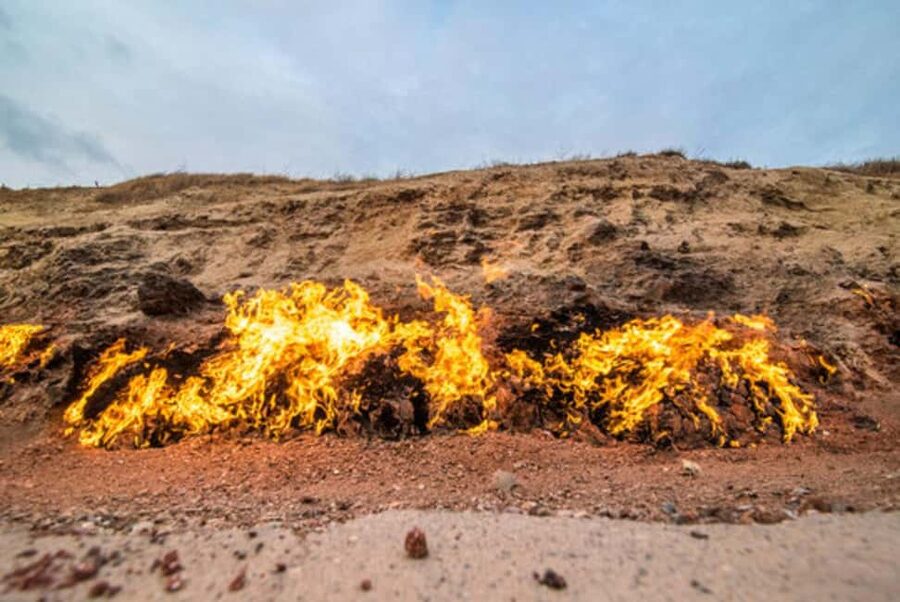
Then you head to Yanardagh, the Burning Mountain. This is another natural gas fire that continuously blazes on a hillside. Watching flame in an outdoor setting always feels a little surreal, and the guide’s historical context keeps it from becoming just a cool sight.
Why this pairing works: Ateshgah gives you a human frame for the flames, and Yanardagh shows you the source in the open air. By the time you reach Burning Mountain, you understand why people interpreted these fires as sacred rather than random.
One practical consideration: these are hot, bright sites. The tour does include a bottle of water, but you may still want to keep an eye on your pace and take breaks when you can. If you tend to get tired in sun and heat, plan for a slower rhythm during the flame stops.
Heydar Aliyev Center Outside Viewing Only, a Final Photo Moment
The day ends at Heydar Aliyev Center as a sightseeing and photo point. This is useful if you like modern architecture and want a quick visual contrast with the ancient and natural stops earlier.
But here is the catch: groups do not enter inside due to time limitations. So, if your dream is museum-style interior time, this specific tour will not fully satisfy that. Still, the outside photo stop can be a fun visual punctuation mark, especially if you are building a full Absheron story from ancient carvings to contemporary design.
Price and Entry Tickets, the Real Value Math
The tour price is $65 per person, which includes hotel pickup and drop-off, roundtrip transportation, a Polish speaking guide, and a bottle of water. For a day that covers multiple sites spread across Absheron, that bundle matters. You are not juggling public transit or coordinating between far-flung locations on your own.
The big add-on is entry. Entry tickets to Gobustan National Park, Fire Temple (Ateshgah), and Burning Mountain (Yanardagh) must be paid extra. If you do not select the option that includes entry tickets, the tickets total 30 AZN. That breaks down as 15 AZN for Gobustan rock arts and mud volcanoes, plus 15 AZN for Ateshgah and Yanardagh.
So, how do you judge value? You are paying for two things: access and interpretation. Access is the easy part, because transport and pickup are included. Interpretation is the part that makes the day feel coherent, with a guide walking you through how each stop connects to Azerbaijan’s natural forces, cultural life, and oil history.
If you already know you will want all the sites, picking a tour like this is often simpler than buying multiple tickets separately and spending your day figuring out routes.
Who This Tour Suits Best
This is the kind of tour that fits well if you like variety and you want big-name places without spending your whole day planning.
I think it is especially a good match for:
- You if you want Gobustan’s mud volcanoes and rock art in one organized day.
- You if you enjoy architecture and want a meaningful mosque stop, not just a quick glance.
- You if you like unusual, high-impact sights like natural flame areas.
- You if you value a Polish speaking guide who ties each location to history and meaning.
If your priority is a slow, long stay at just one site, this may feel fast because it covers many stops. But if you want a compact Absheron sampler with guided context, it is a strong format.
Should You Book This Gobustan and Fire Temple Tour?
Book it if you want a well-structured day that mixes geology, ancient human marks, worship architecture, oil history, and natural flames. The price includes transport, pickup, and a guide, which is a practical win. The tour also gives you the full Absheron theme in a single route, so you do not end up cherry-picking and missing the story.
Think twice if you dislike paying extra on arrival or if you specifically want interior access at Heydar Aliyev Center. This tour is built around outside viewing there, due to time limits.
FAQ
What is included in the tour price?
The tour includes hotel pickup and drop-off, roundtrip transportation, a Polish speaking guide, and a bottle of water.
What sites does the tour cover?
You visit Gobustan mud volcanoes and Gobustan rock arts, Bibiheybat Mosque, the site of the world’s first drilled oil well, Ateshgah (the Fire Temple of Baku), and Yanardagh (the Burning Mountain). You also stop at Heydar Aliyev Center for sightseeing and photos.
Is the guide Polish speaking?
Yes. The tour language is Polish.
Are entry tickets included?
No. Entry tickets to Gobustan National Park, Fire Temple, and Burning Mountain are paid as an extra.
If I do not select entry tickets, how much do tickets cost?
If you do not select the option with entry tickets, the tickets are priced at 30 AZN total: 15 AZN for Gobustan rock arts and mud volcanoes, and 15 AZN for Ateshgah and Yanardagh.
Does the tour include Heydar Aliyev Center entry?
No. Heydar Aliyev Center is visited as a sightseeing and photo point, and groups do not enter inside due to time limitations.
Is a bottle of water included?
Yes, a bottle of water is included.
Can I reserve and pay later?
Yes. There is an option to reserve and pay later, so you can book your spot and pay nothing today.
What is the cancellation policy?
You can cancel up to 24 hours in advance for a full refund.
Latest additions around Baku
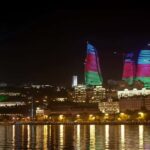
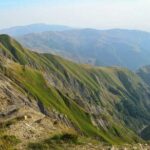
Gobustan Petroglyphs & Mud Volcano Trips, compared.
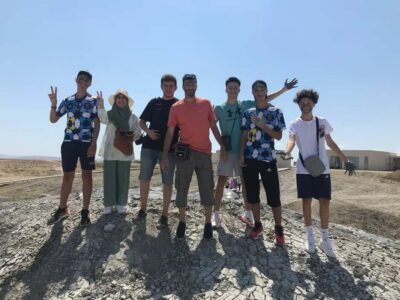
Gobustan, Mud Volcano, Fire Mount, Temple Lunch Entry
Read our review →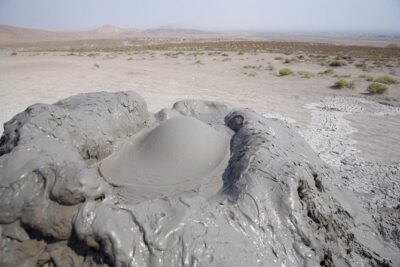
BEST Gobustan, Volcanoes & Absheron Fire Tour (Group or Private)
Read our review →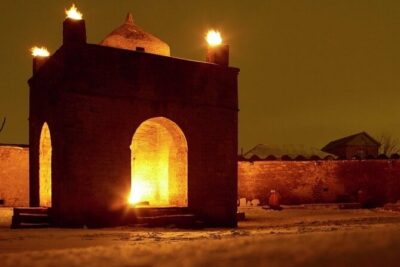
Gobustan, Volcanoes, Fire Temple and Yanardag Day Trip
Read our review →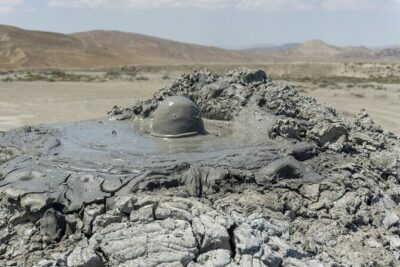
Gobustan & Mud, Fire Temple, Burning Mountain (Group & Private)
Read our review →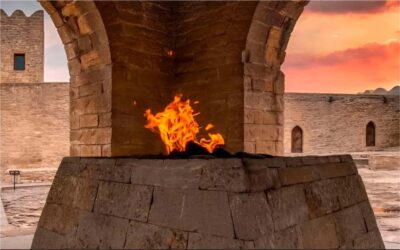
Gobustan-Mud Volcan-Fire Temple and Mountain Tour/Entrance inc
Read our review →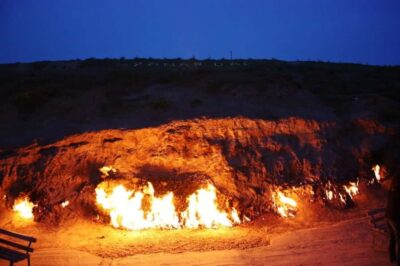
Gobustan Mud Volcanoes Temple & Entry tickets included
Read our review →Browse the lists this tour appears in