
Reviewed · GOBUSTAN PETROGLYPHS & MUD VOLCANO TRIPS
Gobustan Magic of Mud Volcanoes and Ancient Petroglyphs
Gobustan feels ancient, then suddenly familiar. I love how the Gobustan rock art turns prehistory into readable scenes, from hunting to rituals, and I love the way Jabrail connects the dots with calm, practical storytelling. In one morning, you also get the natural spectacle of mud volcanoes and the city’s big, modern chapter of oil history, all while riding in an air-conditioned vehicle.
One consideration: the timing is tight at the last two stops, since Bibi-Heybat Mosque and the world’s first oil well are each about 20 minutes. If you prefer slow visits with plenty of time for photos and questions, you may want to extend your stay in Baku after this.
In This Review
- Key highlights at a glance
- Why Gobustan Magic Works So Well in One Half-Day
- Meeting at Nizami Gardens, Then Riding in Comfort
- Stop 1: Gobustan Rock Art and the Roman Autograph at Mount Boyuk-Dash
- Stop 2: Mud Volcanoes, Clay Bubbling Like a Site Still in Action
- Stop 3: Bibi-Heybat Mosque in About 20 Minutes
- Stop 4: The 1846 Oil Well and the Pumps Still Echoing Baku’s Big Story
- Price and Value: What $65.55 Gets You and What to Budget
- Private Tour Format: Why It Feels Easier Than a Big Group Day
- The Best Way to See Each Stop Without Feeling Rushed
- Who This Tour Suits Best (And Who Might Want More Time)
- Should You Book Gobustan Magic of Mud Volcanoes and Ancient Petroglyphs?
- FAQ
- What is the tour duration?
- What time does the tour start?
- Where does the tour meet?
- Is pickup offered?
- Is this a private tour?
- Is a mobile ticket provided?
- What are the main stops on the itinerary?
- What is included in the price?
- Are mud volcano tickets included?
- What is the cancellation policy?
Key highlights at a glance
- Gobustan rock art you can actually read, including Roman-era and Arabic inscriptions
- Mud volcanoes with real off-road access, plus a focused 1-hour walk
- Bibi-Heybat Mosque in a short, meaningful stop, with free entry for your group
- Oil history on site, including the 1846 oil well and visible pump infrastructure
- Private format with a guide who sets the pace, so you can match the day to your interests
Gobustan petroglyph and mud volcano trips to compare:
- Baku: Gobustan, Mud Volcano, Fire Mount, Temple Lunch Entry
★ 4.9 · 3,246 reviews - BEST Gobustan, Volcanoes & Absheron Fire Tour (Group or Private)
★ 5.0 · 1,254 reviews - Gobustan and Absheron tour (All inclusive)
★ 5.0 · 1,014 reviews
Why Gobustan Magic Works So Well in One Half-Day
Gobustan is one of those places where time layers itself. You start with very old rock art, then you move to mud volcanoes that still look alive, and you end with Baku’s religious and industrial story. It’s not a museum day with glass cases. It’s outdoors, close-up, and guided, so you understand what you’re looking at instead of just ticking boxes.
The strongest part is how the guide frames each stop. Jabrail brings context about Azerbaijan across eras, from early human activity to the Roman world and on to the oil boom. That matters because Gobustan is busy visually, and it helps to have someone translate the scenes, names, and symbols into plain language.
Meeting at Nizami Gardens, Then Riding in Comfort
You meet at Nizami Gardens in the Sabayil area of Baku, right near public transportation. The tour starts at 9:00 am and returns you to the same meeting point, so your day stays simple. Pickup is offered, and it’s a private tour, which means only your group joins you.
You’ll also travel by air-conditioned vehicle, and you get bottled water. That’s a real advantage in Baku, especially on days when the sun is up and you’ll be walking outdoors. One small plus that makes the whole day easier is the mobile ticket, since you’re not scrambling for paperwork at the start.
Stop 1: Gobustan Rock Art and the Roman Autograph at Mount Boyuk-Dash
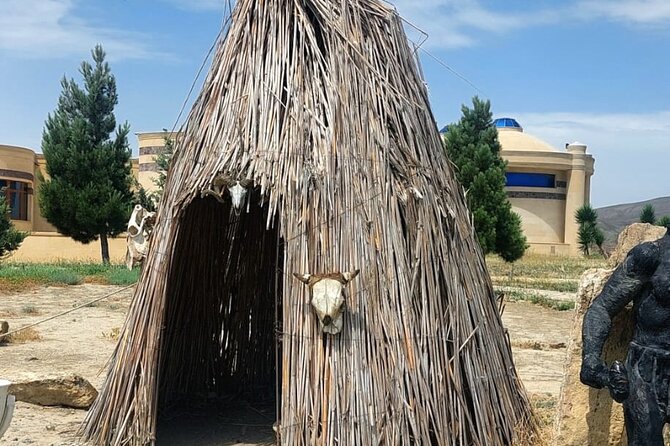
Gobustan Rock Art is the core of the day, and it’s where the “magic” starts making sense. You spend about 2 hours in the Gobustan Reserve, where the rock walls preserve petroglyphs made over thousands of years. The scenes cover everyday life and ceremony: hunting and fishing, plus ritual dances where nearly the whole tribe participates.
What I really like here is the mix of cultures layered into one site. Along the way, you learn about the stone called Gavaldash, said to be more than ten thousand years old. That gives you a time anchor before you even start reading the imagery.
Then comes the standout detail, the kind that makes you look twice. At the foot of Mount Boyuk-Dash, a Roman centurion named Livus Maximus of the XII Lightning Legion left what’s often described as an autograph, dating to the 1st century AD. There are also short inscriptions in Arabic, with meanings like came, prayed, left, plus images of men in turbans. Even better, you’re told it was the easternmost of the Roman inscriptions of its type, so this isn’t just a local curiosity. It’s a rare crossroad marker.
In practical terms, do wear comfortable shoes. Even though you’re not doing a long hike, the reserve walk can be uneven, and you’ll want stable footing when you’re trying to focus on carvings.
Admission to the Gobustan museum is included, so you’re covered for the key entry on this stop. Two hours is enough for a first visit, but if you’re a photo person, you’ll need to decide quickly what to capture, and what to just observe for a minute longer.
Baku tours and day trips to compare:
- Baku: Guba, Shahdag, Laza & Lunch w/ Free City & Night Tour★ 4.8 · 1,455 reviews
- Shamakhi And Gabala Tour (All inclusive)★ 5.0 · 815 reviews
- From Baku: Gabala and Shamakhi Tour (Free Baku City Tour)★ 4.8 · 695 reviews
- Baku: Candy Cane, Guba, Khinaliq village with Homemade Lunch★ 4.9 · 519 reviews
Stop 2: Mud Volcanoes, Clay Bubbling Like a Site Still in Action
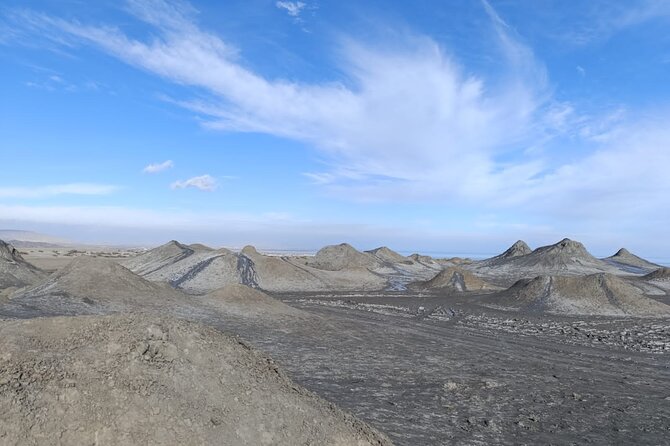
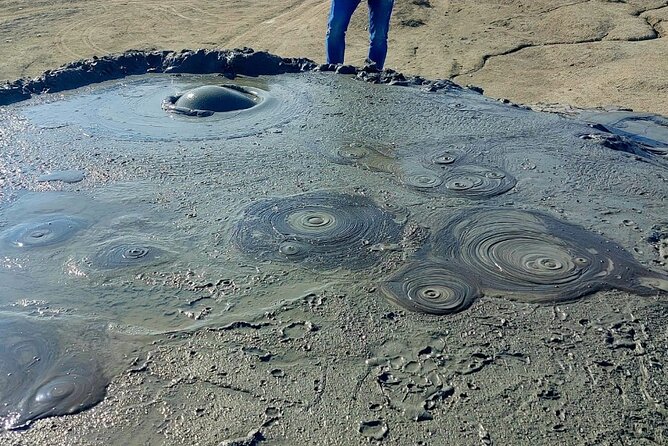
After rock art, you head toward the mud volcanoes, and you’ll start noticing small volcanic cones along the road. The area is known for cones that can send up smoke, and for clay that can bubble even when you’re seeing it from a distance.
This stop is about 1 hour, and that short duration is good if you want a focused walk without burning your whole day. The included off-road car payment matters, because it gets you closer and saves time. Your feet do the walking, but the route is designed for the terrain.
Two important notes for planning. First, mud volcano admission tickets are not included, so you’ll want to budget for that separate cost. Second, bring patience for conditions. This is an outdoor natural site, and the experience depends on what’s visible in that moment, like how much smoke or bubbling you can see.
When this stop works best, it’s when you treat it like a nature show with context. The guide’s job is to explain what you’re seeing, not just point at it. Ask questions while you can, because once you’re back in the vehicle, the day moves fast.
Stop 3: Bibi-Heybat Mosque in About 20 Minutes
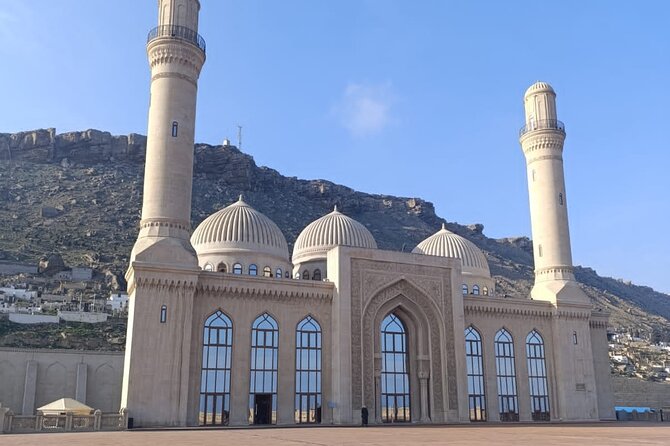
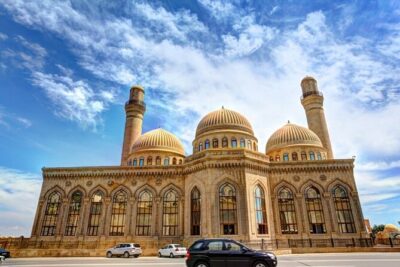
Next is Bibi-Heybat Mosque, described as a pearl of Islamic architecture. You’ll have about 20 minutes here, and the entry ticket is free.
Twenty minutes is not a long time, so think of this as a careful “first look” stop. You’ll want to focus on the building details you can take in quickly, and you’ll probably get more value if you lean into the guide’s explanation about what makes the mosque architecturally meaningful.
A quick practical point: keep clothing respectful for mosque visits. The tour data doesn’t spell out dress requirements, but mosques typically have rules. If you’re unsure, it costs nothing to pack a light layer that covers shoulders or legs.
The big advantage of the short visit is that the day stays balanced. You’re not forced to choose between religion, nature, and oil history. You get a taste of the mosque, then move straight into Baku’s famous industrial story.
Stop 4: The 1846 Oil Well and the Pumps Still Echoing Baku’s Big Story
The last stop is the world’s first oil well, drilled in 1846. You’re told it happened in the suburbs of Baku, specifically on the oldest oil field in the Bibi-Heybat area. This is where the tour shifts from ancient and natural to industrial and dramatic.
You’ll see oil pumps that remind you of Azerbaijan’s oil history. It’s a short stop, around 20 minutes, and the ticket is free. Again, treat it as a fast but high-impact finale. Oil history is one of those topics where a few correct details can make the whole story click, and a guide helps a lot here.
What I like about ending this way is that Gobustan doesn’t feel stuck in the past. You get the arc of change: early human expression, then Roman-era traces, then Islamic architecture, and finally the 19th century oil boom that pushed the region’s history forward. It’s a neat way to understand Baku as more than a single type of attraction.
Price and Value: What $65.55 Gets You and What to Budget
The price is $65.55 per person for an approximately 5-hour private tour. The value comes from how much is bundled.
Included items you should take seriously: bottled water, an air-conditioned vehicle, tickets to the Gobustan museum, and the off-road car payment to the mud volcanoes. Those add up, especially in a day that requires multiple entry points and a vehicle.
You’re not paying for lunch, and mud volcano admission tickets are not included. Also, all fees and taxes are listed as not included, so it’s smart to budget a little extra to avoid surprises at the end.
If you want a quick way to decide whether this is worth it for your trip, use this filter: you’ll probably feel good about the cost if you want (1) guidance through the rock art, (2) access to mud volcanoes with off-road transport included, and (3) an efficient combination of mosque and oil history without having to piece everything together yourself.
Private Tour Format: Why It Feels Easier Than a Big Group Day
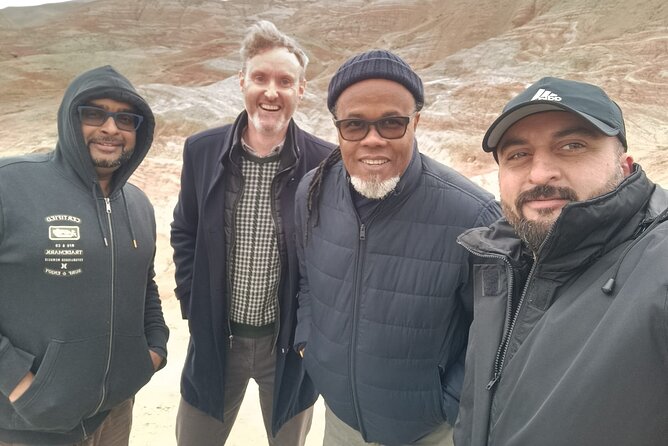
This is a private tour/activity, so only your group participates. That changes the pacing. You can ask questions while you’re standing near an inscription or while the guide is explaining why a detail matters. You’re also less likely to get rushed past things because someone else needs to keep moving.
The reviews for Jabrail emphasize organization, warmth, and strong communication. That lines up with the overall design of this tour: short, high-value stops with a guide who keeps you moving, but not so fast that you feel lost. The guide also adapts the excursion to interests and age, so the day can work for different travel styles.
If you’re traveling as a couple, a family, or a small group and you want a coherent story across four very different stops, private format is a big win.
The Best Way to See Each Stop Without Feeling Rushed
This day is structured like a sequence of different “modes.” You’re switching from rock art interpretation to natural terrain observation, then to architecture, then to industrial history. That means your success depends on how you pace your own attention.
Here’s a simple approach I’d use: take 10 minutes at Gobustan rock art to let the scenes sink in before you start photographing. Then at the mud volcanoes, decide if you want more time looking for smoke and bubbling clay, or if you want to focus on the cones and walk route. For Bibi-Heybat Mosque and the oil well, go in knowing you’re doing a quick, guided highlight, not a long sit-down visit.
Also, since bottled water is included, you can spend your money on the things that are not covered, like mud volcano admission and your lunch plan.
Who This Tour Suits Best (And Who Might Want More Time)
This tour suits you if you want a concentrated, story-driven day in Baku that connects different eras. You get rock art with named Roman context and Arabic inscriptions. You get mud volcanoes as a living natural phenomenon. You get Bibi-Heybat Mosque as a key architectural stop. And you finish with the 1846 oil well story and the pumps that symbolize the oil era.
Most travelers can participate, and the itinerary is short enough that it should feel manageable if you’re not planning a long trek. It’s a strong pick for first-time visitors who want variety, because the tour is designed to give you a clear Baku overview in about 5 hours.
The main mismatch would be if you want a slow, relaxed pace at the last two stops. With only about 20 minutes each for the mosque and the oil well, you might want to add independent time after the tour if those are your top interests.
Should You Book Gobustan Magic of Mud Volcanoes and Ancient Petroglyphs?
I’d book this if you want the most meaning per hour in and around Baku. You’re paying for a guided sequence that covers four big themes without you having to coordinate tickets, timing, and transport across sites.
If your idea of a great day is fast highlights plus good explanations, this tour fits nicely. If you want to linger for long photos, long mosque reflection, or a deeper geology walk at the mud volcanoes, consider adding extra time on your own before or after, since the tour keeps each segment intentionally short.
Either way, the biggest reason to choose it is the guide factor. Jabrail’s style, as described in real feedback, is organized, friendly, and focused on turning details into something you actually remember. In a place like Gobustan, that makes the difference between seeing carvings and understanding why they matter.
FAQ
What is the tour duration?
The tour is approximately 5 hours.
What time does the tour start?
The start time is 9:00 am.
Where does the tour meet?
The meeting point is Nizami GardenSabayil, Baku 1005, Azerbaijan.
Is pickup offered?
Yes, pickup is offered.
Is this a private tour?
Yes. Only your group participates.
Is a mobile ticket provided?
Yes, mobile ticket is included.
What are the main stops on the itinerary?
Gobustan Rock Art, Mud Volcanoes, Bibi-Heybat Mosque, and the World’s First Oil Well.
What is included in the price?
Bottled water, an air-conditioned vehicle, tickets to Gobustan museum, and the off-road car payment to Mud Volcanoes.
Are mud volcano tickets included?
Mud volcanoes admission ticket is not included.
What is the cancellation policy?
You can cancel for a full refund up to 24 hours before the experience’s start time. If you cancel less than 24 hours before, you do not get a refund.
Latest additions around Baku



Gobustan Petroglyphs & Mud Volcano Trips, compared.
Gobustan, Mud Volcano, Fire Mount, Temple Lunch Entry
Read our review →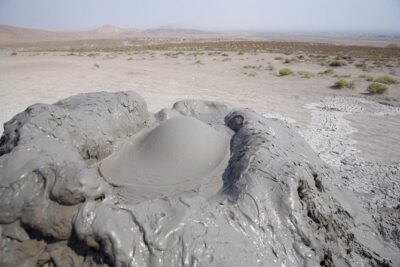
BEST Gobustan, Volcanoes & Absheron Fire Tour (Group or Private)
Read our review →
Gobustan, Volcanoes, Fire Temple and Yanardag Day Trip
Read our review →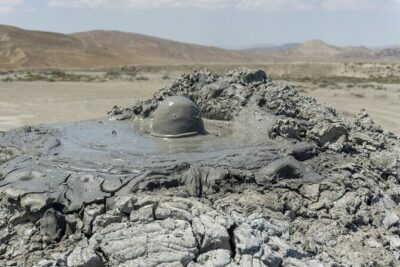
Gobustan & Mud, Fire Temple, Burning Mountain (Group & Private)
Read our review →
Gobustan-Mud Volcan-Fire Temple and Mountain Tour/Entrance inc
Read our review →
Gobustan Mud Volcanoes Temple & Entry tickets included
Read our review →Browse the lists this tour appears in