
Reviewed · GOBUSTAN PETROGLYPHS & MUD VOLCANO TRIPS
Gobustan Rocks and the Fire Temple of the Absheron Peninsula
Flames and ancient rock art in one day. This tour connects Baku’s waterfront stroll, the world’s first oil well, Gobustan’s mud volcanoes and UNESCO petroglyphs, then ends at the Ateshgah Fire Temple and Yanar Dag burning mountain. It is a day that moves between science-like nature and older-than-you-think human stories.
I like two things most: first, the Gobustan portion gives you a real contrast, bubbling mud volcanoes plus thousands of rock engravings tied to daily life long ago. Second, the guides often get praised by name, like Aydin, Murad, Tim, Aziza, Behram, and Kamal, for friendly, organized service and good English during the day.
One drawback to plan for is cost stacking, because the tour price does not cover every ticket. You should also expect a long day of driving plus walking, so if you get cranky in transit, bring water and comfy shoes.
In This Review
- Key Highlights at a Glance
- How This Half-Day Feels Like Two Trips in One
- Morning Warm-Up on Baku Boulevard and the Oil Well
- Gobustan Mud Volcanoes, Where Earth Breathes
- Petroglyph Power, Indoor Museum Context Then Outdoor UNESCO Rock Art
- Bibi-Heybat Mosque, A Sea-View Landmark With a Rebuilt Story
- Ateshgah Fire Temple, Natural Gas Flames and Zoroastrian Tradition
- Yanar Dag Burning Mountain, the Fire You Do Not Put Out
- Price and Entry Fees, What You Actually Pay For
- Tour Pace, Group Size, and Comfort on the Road
- What to Bring, Based on the Stops
- Should You Book This Gobustan and Fire Temple Tour?
Key Highlights at a Glance
- World’s First Oil Well: a quick, meaningful stop that sets the tone for Azerbaijan’s oil era.
- Gobustan mud volcanoes: cool, bubbling craters that look dramatic and feel surprisingly manageable on foot.
- UNESCO rock art: indoor museum context first, then outdoor petroglyphs for the full story.
- Ateshgah Fire Temple: natural gas flames, tied to centuries of Zoroastrian tradition.
- Yanar Dag burning mountain: the hillside “fire” spectacle that runs on subterranean gas.
- Small-group feel: max 30 travelers, with A/C transport and a professional guide.
Ateshgah and Yanardag fire trips to compare:
- BEST Gobustan, Volcanoes & Absheron Fire Tour (Group or Private)
★ 5.0 · 1,254 reviews - Gobustan and Absheron tour (All inclusive)
★ 5.0 · 1,014 reviews - Baku: Gobustan, Volcanoes, Fire Temple and Yanardag Day Trip
★ 4.7 · 433 reviews
How This Half-Day Feels Like Two Trips in One
This outing is built like a string of “wow” stops, but with enough variety that the day does not blur together. You start with city views along Baku Boulevard, then shift to Gobustan’s geological oddities, and finally move to the Absheron Peninsula’s flame sites.
The timing is tight in a good way. Short stops help you get the big landmarks, and the longer blocks are reserved for the things you actually want to linger over: the museums and the outdoor Gobustan area.
My practical take: this is ideal if you want a lot of Azerbaijan in one shot, without having to plan, drive, and pay for everything on your own.
Morning Warm-Up on Baku Boulevard and the Oil Well
You begin around 9:00 am, with pickup offered, then head to Baku Boulevard for a quick waterfront orientation. Even if you only have 15 minutes, it helps you understand the city’s layout, because the Caspian Sea views and promenade energy are the “default setting” for Baku.
Next comes the world’s first oil well site. This is not just a photo stop. It anchors why oil is not a modern footnote here, but a turning point that shaped industry and the region’s identity.
If you like grounding facts early, this part works. It also makes the later flame stops feel less random, because the theme of Earth giving up gas and fuel shows up again at Ateshgah and Yanar Dag.
Gobustan Mud Volcanoes, Where Earth Breathes
The Gobustan mud volcano area is about 60 kilometers southwest of Baku, and it is the kind of place that makes you check if you are hallucinating. You will see bubbling, oozing craters and cones that look volcanic, but the mud is usually cool enough for visitors to explore.
This stop is about 30 minutes, which is short, but it is also a smart length. Mud volcanoes are intense visually, and you do not need hours to get the big effect. The guide’s explanations can make a big difference here, since the “why” matters just as much as the “what.”
You are also in Gobustan National Park, and the site connects directly to the UNESCO petroglyph story later in the day. So it is a natural bridge from geology to archaeology, without feeling like two unrelated tours glued together.
Gobustan petroglyph and mud volcano trips to compare:
- Baku: Gobustan, Mud Volcano, Fire Mount, Temple Lunch Entry★ 4.9 · 3,246 reviews
- Gobustan & Mud, Fire Temple, Burning Mountain (Group & Private)★ 4.5 · 418 reviews
- Baku: Gobustan Absheron Tour Entry Tickets included★ 4.9 · 329 reviews
- Gobustan-Mud Volcan-Fire Temple and Mountain Tour/Entrance inc★ 5.0 · 267 reviews
Petroglyph Power, Indoor Museum Context Then Outdoor UNESCO Rock Art
After the mud volcanoes, the day balances out with history. First you visit the Gobustan indoor museum for about one hour, where the exhibits set up what you are about to see outside.
This matters more than you might think. Outdoor engravings can look like “lots of drawings” if you arrive cold. With the indoor exhibits as your primer, the hunting scenes, daily-life imagery, and human figures start to click faster.
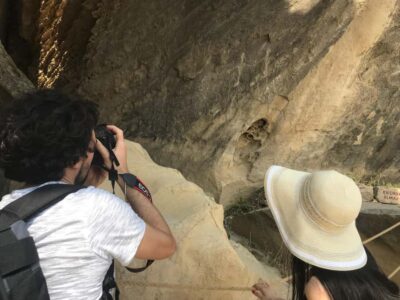
Then you move to the outdoor Gobustan area, also UNESCO-listed, for about one hour. This is where you can actually wander the rocky setting and focus on the petroglyphs, which are described as dating back more than 40,000 years. The feeling here is simple: you are looking at communication from people who had no modern media, no paper, and no museums.
If you care about photography, bring a lens cloth. Dust and stone texture can be a pain in this part of the day.
Bibi-Heybat Mosque, A Sea-View Landmark With a Rebuilt Story
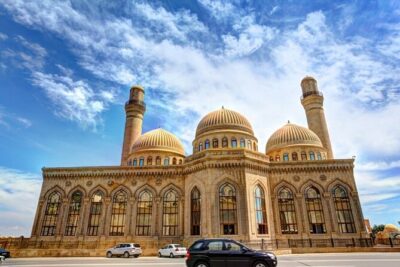
Back in Baku, you stop at Bibi-Heybat Mosque for about 20 minutes. It is a striking Islamic landmark with a story that mirrors Azerbaijan’s modern turbulence and recovery.
Originally built in the 13th century, it was reconstructed in the 1990s after Soviet-era destruction. It also includes the tomb of Ukeyma Khanum, described as a descendant of the Prophet Muhammad, which adds a personal, human layer to the architecture.
The location helps too, because it sits with Caspian Sea views nearby. Even in a short stop, you get that sense of the city blending sacred space with waterfront life.
Ateshgah Fire Temple, Natural Gas Flames and Zoroastrian Tradition
One of the main “why I came” stops is the Ateshgah Fire Temple, lasting about one hour. This is where natural gas seeps from the earth and ignites into flames, turning the site into a long-lived place of worship.
The tour frames it as connected to Azerbaijan’s Zoroastrian heritage. Even if you only know the topic from a basic class or a documentary, the setting makes the idea tangible. It also connects back to the earlier oil well theme, because both are about how the ground fuels the human story.
Practical note: this is a fire site. Dress for comfort, expect heat or wind depending on the day, and plan your photos with care. Short visits work best here, since the main value is seeing the flame phenomenon and listening to the guide’s explanation.
Yanar Dag Burning Mountain, the Fire You Do Not Put Out
To close the tour, you visit Yanar Dag, also called the Burning Mountain, for about one hour. The key detail is that the fire is fueled by subterranean gas and has been burning for thousands of years.
This stop feels like a final chapter, and the timing makes sense. You end with the most “dramatic” visual, after you have already learned the geology and cultural context earlier in the day.
One thing to watch: the tour notes that Yanar Dag ticket is not included, so you will want to budget for the listed entry fees for the paid sites. From there, it becomes a smooth finish. You can relax a bit, enjoy the flame hillside, and then mentally review the whole day: oil roots, mud volcanoes, ancient rock art, and fire temples.
Price and Entry Fees, What You Actually Pay For
The tour price is $20 per person, and it includes an air-conditioned vehicle, a professional tour guide, and comfortable transportation. For a day that covers multiple separate sites across Baku and the Absheron Peninsula, the value is mostly in the coordination: you avoid the hassle of hopping between ticket offices and navigation.
But tickets are the catch. The tour description lists entry fees per person as:
- Mud Volcanoes: 30 AZN
- Qobustan: 10 AZN
- Fire Temple and Yanar Dag: 15 AZN
Those add up to 55 AZN per person for the sites with specified fees. On top of that, the Gobustan Indoor Museum ticket is not included, and lunch is optional at $12 per person.
My advice is to budget in two buckets: the $20 for the guided transport and guidance, plus site tickets you will pay separately as listed. If you want to keep your day stress-free, that budget planning beats arriving and then doing math in the heat.
Tour Pace, Group Size, and Comfort on the Road
This runs about 5 to 7 hours. Stops vary from 15 minutes in town to about an hour at the museum and fire sites. That pace is ideal if you like seeing a lot and you can handle some car time.
The group is capped at 30 travelers, which is small enough that you should still hear the guide, without feeling like you are trapped in a school bus parade.
Most of the guide praise is about being friendly and taking care of details. Names that show up positively include Murad, Tim, Aziza, Behram, Aydin, and Kamal. One review also highlighted a vegetarian lunch option with Azerbaijani flavor, which is a big deal if you need food that fits your diet.
One possible consideration, based on the range of experiences shared, is that English quality and on-the-ground comfort can vary. If language clarity matters a lot to you, choose a departure time and company that clearly states English-speaking guides, and set the expectation early with your guide on the day.
What to Bring, Based on the Stops
You will move between city sidewalks and outdoor stone sites. Wear shoes you can walk in on rocky ground, and bring a layer for wind and temperature swings, especially near the Caspian Sea.
Bring water. The day involves multiple outdoor stretches, and even when sites are not physically extreme, you will feel the sun and heat.
If you plan to eat, remember lunch is optional at $12. If you want vegetarian food, it is worth mentioning when you book or with your guide, since vegetarian preferences have been handled well on this kind of outing.
Should You Book This Gobustan and Fire Temple Tour?
Book it if you want one efficient day that hits geology, archaeology, and flame sites without you needing a plan for each separate location. It is a strong fit for history and nature lovers, and it is especially good for first-timers in Baku who only have limited time.
Skip it or tailor it if you hate driving and you need very slow pacing, because the structure is stop-and-go. Also, if you have a strict budget, add the listed entry fees and plan around the indoor museum ticket, so you are not surprised later.
If your goal is a day where you see Gobustan mud volcanoes and then watch fire on a hillside, this tour is built for that exact payoff.
Latest additions around Baku
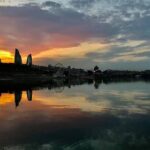

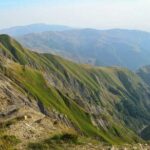

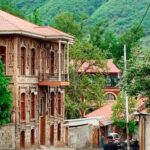
Gobustan Petroglyphs & Mud Volcano Trips, compared.
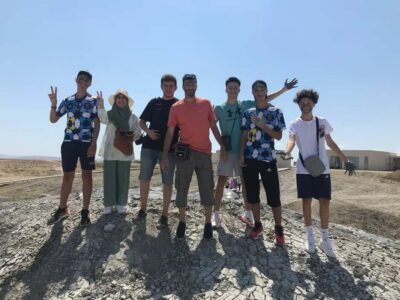
Gobustan, Mud Volcano, Fire Mount, Temple Lunch Entry
Read our review →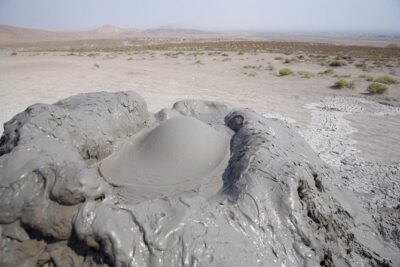
BEST Gobustan, Volcanoes & Absheron Fire Tour (Group or Private)
Read our review →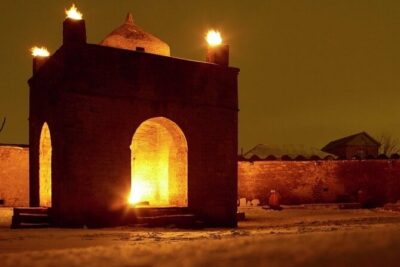
Gobustan, Volcanoes, Fire Temple and Yanardag Day Trip
Read our review →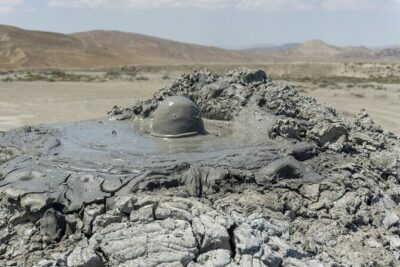
Gobustan & Mud, Fire Temple, Burning Mountain (Group & Private)
Read our review →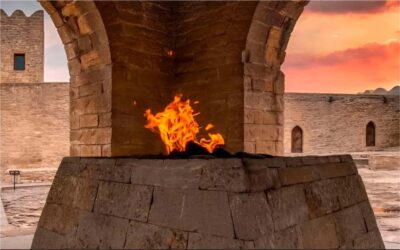
Gobustan-Mud Volcan-Fire Temple and Mountain Tour/Entrance inc
Read our review →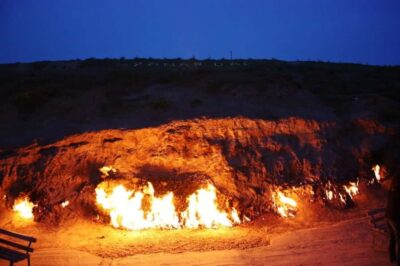
Gobustan Mud Volcanoes Temple & Entry tickets included
Read our review →Browse the lists this tour appears in